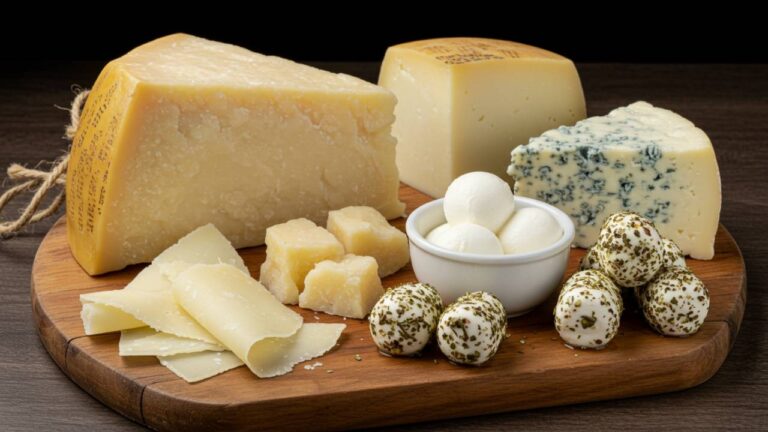


Italy is a country that breathes tradition, and this is reflected in every slice of cheese produced in its regions. While the world celebrates Parmigiano-Reggiano and Mozzarella di Bufala, there is a series of cheeses that are true gems, known only to local producers, high-end chefs, and cheese connoisseurs with refined palates. These rare and precious cheeses are hidden treasures, each with a unique story, a distinctive flavor, and a deep connection to the land and the people who produce them.
In this article, we will explore some of these exceptional cheeses, which have won over the palates of gourmets and renowned chefs. Later, we will delve deeper into dedicated articles for each one, diving into their histories, production techniques, and the secrets that make them so special.
Caciocavallo Podolico: The Diamond of Southern Cheeses
In southern Italy, where the sun beats down on arid hills and wild pastures, Caciocavallo Podolico is a true relic. Produced mainly in Basilicata, Campania, and Puglia, this cheese is made from the milk of Podolica cows, an ancient and hardy breed that grazes freely in remote areas. The milk from these cows is rich and aromatic, reflecting the diversity of the local vegetation.

The production technique for Caciocavallo dates back to the ancient Greeks, who introduced the method of curing the cheese in hanging forms, resembling bags. The result is a cheese with an intense flavor, notes of wild herbs and flowers, and a firm texture that becomes creamy when melted.
In high-end cuisine, Caciocavallo Podolico is valued for its complexity and versatility. It can be served as a table cheese, melted over sophisticated dishes, or even paired with structured wines like Aglianico.
There are many excellent producers throughout the region, and it’s impossible to mention them all.
Pessolani Farm in Basilicata
Slow Food Presidium
The Pessolani Farm is located in Abriola (Pz), at an altitude of about 1,200 meters, in the heart of the Appennino Lucano Val d’Agri Lagonegrese National Park. This setting, characterized by high hills and lush forests, is shaped by an arid and wild climate, ideal for raising hardy and resilient animals adapted to extensive grazing. Here, nature reigns supreme, and only those who can adapt to these conditions thrive.
The Animals
The Caciocavallo Podolico from the Pessolani Farm is made exclusively from the milk of Podolica cattle and their crossbreeds. This breed, typical of southern Italy, is known for its hardiness, frugality, and resilience, essential traits for surviving in such a challenging environment.
On the farm, around 30 lactating cows graze freely on 380 hectares of land, almost year-round. During winter or calving periods, the animals receive supplemental feed based on legumes, cereals, and forage, primarily produced on the farm. No soy, no corn silage, and absolutely no GMOs.
A unique characteristic of the Podolica breed is that it can only be milked by hand and in the presence of the calf. If the calf is not beside its mother and does not begin to suckle, the cow simply will not allow herself to be milked. This deep bond between mother and calf is one of the reasons why this milk is so special and rich in tradition.
Production and Aging
The Caciocavallo Podolico of Basilicata is a stretched-curd cheese made from raw whole milk, sourced from two milkings. The milk is combined with a natural whey starter, produced on the farm, and kid or lamb rennet, which gives the cheese its unique character.
After the curd is broken into hazelnut-sized grains using a traditional wooden ladle (the ruotolo), the curd mass matures under whey. The curd is then collected by hand, cut into slices, and immersed in a wooden tub of hot water, where the stretching process takes place.
The cheeses are shaped, hardened in cold water, and then brined. Finally, they are hung in pairs over a horizontal stick, hence the name “caciocavallo” (horse cheese). Aging takes place in natural caves, where the cheese rests for a period ranging from 2 to 30 months, developing complex aromas and an unmistakable texture.
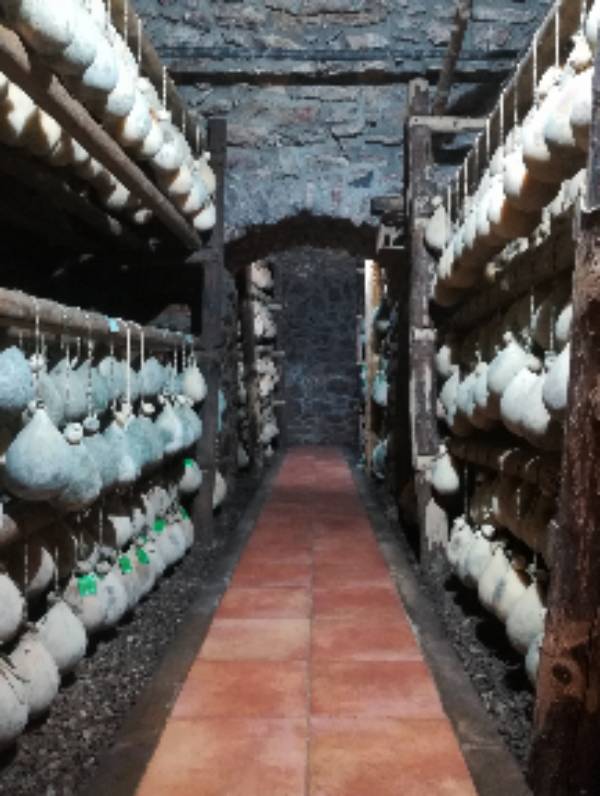
Caciocavallo podolico della Basilicata – Presidio Slow Food
A Cheese That Tells a Story
Each wheel of Caciocavallo Podolico from the Pessolani Farm is a journey through time and tradition. It is the result of an unbreakable bond between man, animal, and land, a heritage passed down through generations.
Giuseppe Bramante Farm – Masseria Paglicci in Gargano
Slow Food Presidium
The farm of Dr. Giuseppe Bramante, Masseria Paglicci, located in the historic estate of Pagliccio, has been dedicated for years to the recovery, breeding, and promotion of Podolica cattle, a mission proven by numerous accolades. Great effort has also been devoted to promoting Caciocavallo Podolico and the Garganica goat. The farm’s main products have received the Slow Food Presidium recognition: Caciocavallo Podolico of Gargano; Podolica beef of Gargano; and Garganica goat meat and cheeses.
Caciocavallo Podolico of Gargano
Slow Food Presidium
Extraordinary cheeses are made from the milk of Podolica cows, with Caciocavallo Podolico being the most notable. However, cows of this ancient breed produce little milk, very little, and only during certain times of the year. This explains why this once-dominant breed in Italy is now confined to a few areas in the south, where pastures are sparse, water is scarce, and survival is challenging.

To shape Caciocavallo Podolico, the curd is sliced and immersed in boiling water. Caciocavallo Podolico is a noble cheese, meant to be enjoyed at the table. When well-aged, it has complex aromas, with notes of pasture and spices, and an unmatched flavor persistence.
Discover Masseria Paglicci, a farm dedicated to preserving the Podolica breed and producing the renowned Caciocavallo Podolico of Gargano, a gastronomic treasure recognized by Slow Food.
Masseria Paglicci – Azienda Agricola Giuseppe Bramante
Caciocavallo podolico del Gargano – Presidio Slow Food
Informazioni: www.viaggiareinpuglia.it
(video de https://provandoomundo.com.br/)
Formaggio di Fossa: The Buried Treasure of Emilia-Romagna
In the Emilia-Romagna region, more precisely in Sogliano al Rubicone, Formaggio di Fossa is a delicacy that defies logic. This cheese is buried in tuff pits for about three months, a method dating back to the 15th century when peasants hid their stocks to protect them from invaders.
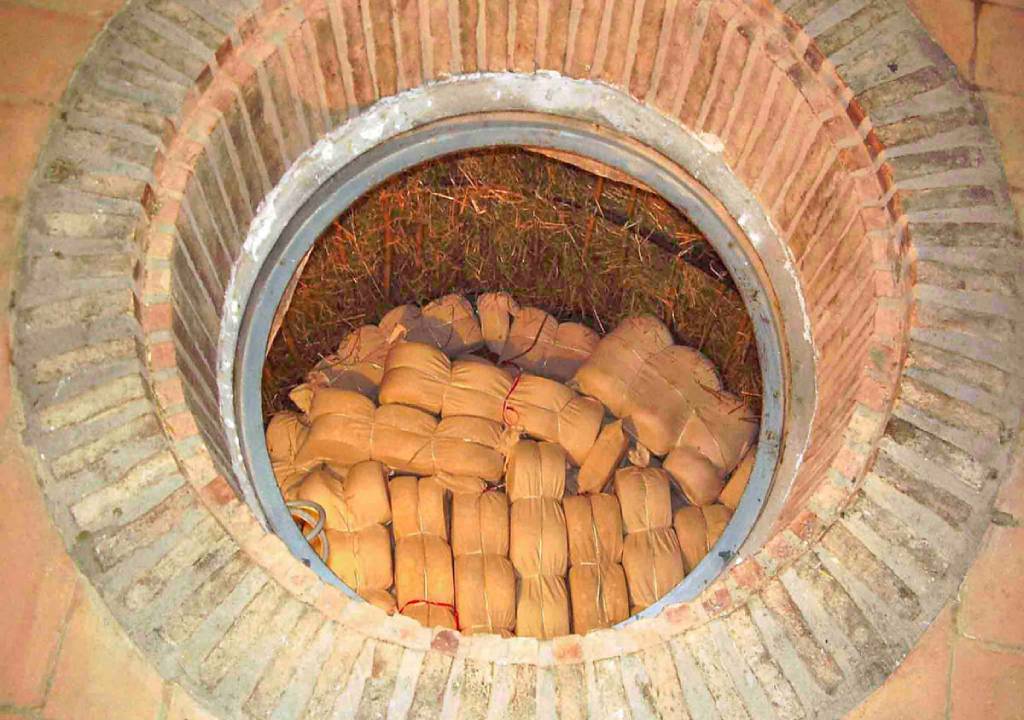
The aging process in the pits gives the cheese a unique flavor, with notes of truffle and nuts, and an earthy aroma that captivates the senses. The texture is creamy, almost melting in the mouth, and the flavor is intense, with a sweet touch that surprises the uninitiated.
In high-end cuisine, Formaggio di Fossa is a sought-after ingredient for chefs looking for authentic and bold flavors. It can be served as a tasting cheese, paired with chestnut honey or fig jam, or used in sophisticated dishes like risottos and stuffed pastas.
Some of the historic pits still in operation include Antiche Fosse and Fossa Pellegrini in Sogliano al Rubicone, which offer guided tours and tastings. If you’re there in September, don’t miss the Formaggio di Fossa Festival, a celebration featuring music, dance, and, of course, plenty of cheese.
- Antiche Fosse: www.antichefosse.com
- Fossa Pellegrini: www.fossapellegrini.it
- Formaggio di Fossa Festival: Information on the Sogliano al Rubicone municipality website: www.comune.sogliano-al-rubicone.fc.it
Puzzone di Moena: The “Stinky” Cheese That Won Over Gourmets
In the Fiemme Valley, in Trentino, Puzzone di Moena is known for its strong and pungent aroma, earning it the nickname “stinky cheese.” But don’t let the smell fool you: this cheese is a masterpiece of Italian gastronomy.
The production technique involves washing the rind with water and brine, which stimulates the development of bacteria that give the cheese its unique flavor. The result is a cheese with an intense and spicy flavor, notes of nuts, and a touch of sweetness. The texture is soft and creamy, perfect for melting over polenta or rustic bread.
In high-end cuisine, Puzzone di Moena is appreciated for its complexity and ability to surprise the palate. It can be served as a tasting cheese, paired with full-bodied wines like Teroldego, or used in sophisticated dishes like fondues and soufflés.
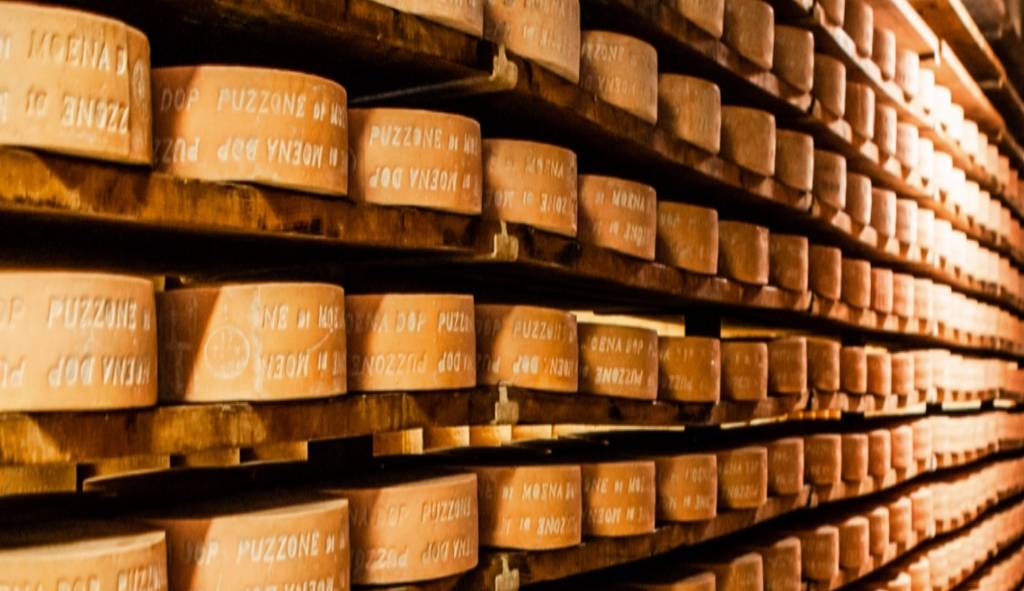
To taste Puzzone di Moena, visit the Caseificio Predazzo, a cooperative that keeps the tradition of this unique cheese alive. Another option is the Trento Market, where several local producers sell the cheese directly to visitors.
Caseificio Sociale Predazzo e Moena: www.caseificiopredazzo.it
Trento Market: Information on the Trentino tourism website: www.visittrentino.info
Testun al Barolo: The Jewel Aged in Wine from Piedmont
In Piedmont, the land of the legendary Barolo wine, Testun al Barolo is a cheese that combines two Italian passions: cheese and wine. Made from sheep’s milk, this cheese is aged in Barolo wine marc, a process that lasts up to six months and gives the cheese a purple rind and a complex flavor.
Testun al Barolo has notes of red fruits, spices, and a touch of earthiness, with a firm texture that becomes creamy when cut. It is a cheese that challenges the palate and invites slow, contemplative tasting.
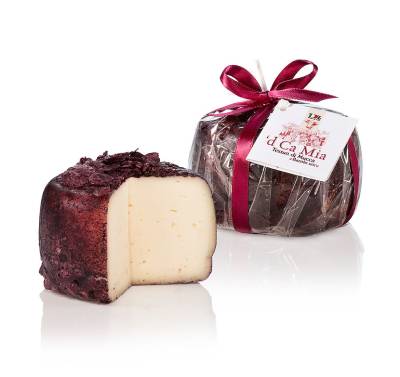
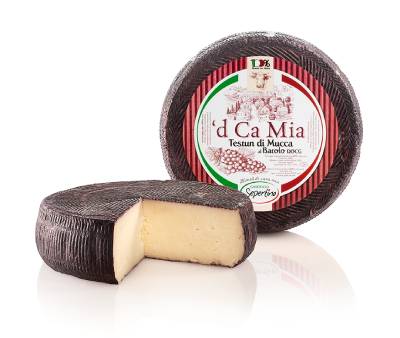
In high-end cuisine, Testun al Barolo is a sought-after ingredient for chefs looking for unique and sophisticated flavors. It can be served as a tasting cheese, paired with Barolo wine, or used in elaborate dishes like carpaccios and gourmet salads.
To try this unique cheese, visit the following websites:
Testun Sepertino al Barolo DOCG: www.beppinooccelli.it
Occelli al Barolo: www.occelli.it
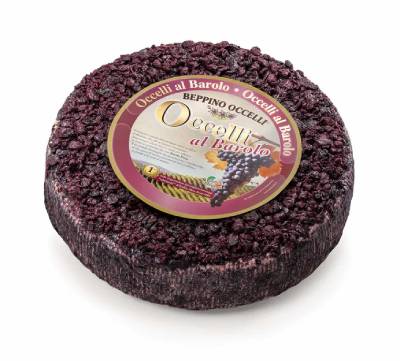
Also, visit the Enoteca Regionale del Barolo, which offers tastings and a boutique, allowing you to appreciate the harmony between Testun al Barolo and the wine that inspired it.
Enoteca Regionale del Barolo: www.enotecadelbarolo.it
Italy’s rarest and most precious cheeses are true works of art, winning over refined palates and high-end chefs. Each of these cheeses offers a unique experience, a journey into the past, and a celebration of Italy’s gastronomic richness.
Have you tried any of these rare cheeses? Share your thoughts in the comments or plan your next trip to Italy with a mandatory stop in one of the regions that keep this tradition alive. Don’t forget to save this article for future reference!

 ✍️ Idealizadora e autora do Verament...