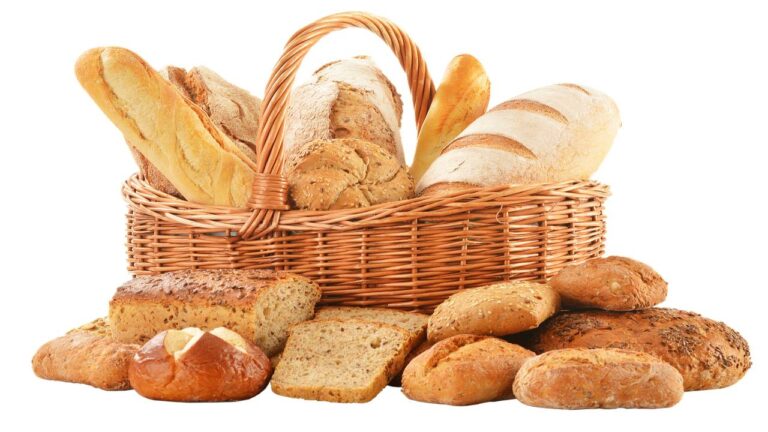


Today, I want to share something special with you: in addition to being a graphic designer, the author of this blog, a therapist, a chef, and Veramente Italiana (yes, that’s me!), I am also a baker. For a long time, I produced and sold homemade bread made with natural leavening, without any additives.
And since we’re talking about bread, I’m putting on my chef’s coat and sharing some thoughts.
I’m tired of hearing the same question: “What is the expiration date of your bread?”
Maybe you’re young enough to have only known industrial bread, with an expiration date of a month. But I’m sorry to inform you that artisan, natural, and healthy bread doesn’t last a month… and it shouldn’t!
📝 How Long Does Artisan Bread Last?
It depends! If stored correctly, it can last 5 to 7 days, depending on the climate and—let’s be honest—how fast your family eats it.
Once upon a time, yesterday’s bread had a specific destiny: it ended up as food for chickens, pigs, or became a rich soup for dogs with broth, meat, and vegetables. Yes, dogs ate real food, not kibble!
And today’s breads?
They don’t get hard… they get rubbery, sad, wrapped in plastic, with a month-long expiration date. Thanks to preservatives, stabilizers, anti-mold agents, and improvers.
Artisan bread contains none of that. And for this reason:
✔️ In dry climates, it gets hard.
✔️ In humid climates, it can become mushy, and if it spoils, you’ll know by the smell.
✔️ It should be stored in a paper bag inside a plastic bag (no plastic!).
✔️ It lasts up to 7 days but can be frozen to keep its freshness.
✔️ To eat it, simply warm it up in the oven, toaster, or traditional oven (never in the microwave!).
So, before asking me about the expiration date of the bread, remember: artisan bread is for those who seek flavor and health, not shelves full of preservatives!
Choose real bread. Say no to additives! 🍞✨
Sourdough Bread
Sourdough bread offers numerous health and nutritional benefits, making it a much healthier choice compared to industrial bread. Here are some reasons to include this bread in your diet:
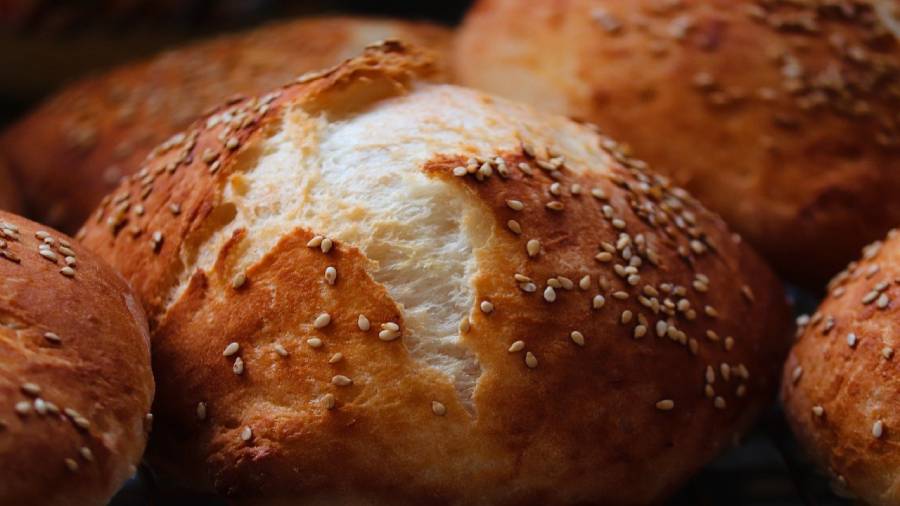
🍞 Better Digestibility
The natural fermentation process breaks down compounds that can be hard to digest, such as gluten. This makes sourdough lighter on the digestive system, especially for those with gluten sensitivity (non-celiac).
🌾 Lower Glycemic Index
Unlike bread made with commercial yeast, sourdough has a lower glycemic index. This means it causes smaller spikes in blood sugar, making it a better choice for those looking to control their blood sugar levels, such as diabetics.
🦠 Rich in Probiotics and Prebiotics
While live microorganisms are destroyed in the oven, acids produced during fermentation create a favorable environment for gut health. It also contains prebiotics that feed the beneficial gut bacteria.
🏋️♀️ Better Nutrient Absorption
Fermentation reduces the amount of phytic acid, compounds that can block the absorption of minerals like iron, magnesium, zinc, and calcium. This way, sourdough enhances the bioavailability of these essential nutrients.
💪 Fewer Additives and Preservatives
Real sourdough is made with just flour, water, and salt, with no chemical additives, preservatives, or artificial improvers, which are common in industrial bread.
😋 Unmatched Flavor and Texture
In addition to being healthier, sourdough has a rich, slightly tangy flavor with a crispy crust and soft interior, making the eating experience much more enjoyable.

If you’re looking for nutritious bread that’s delicious and offers health benefits, sourdough is an excellent choice! 🥖✨
Learn More About Cellophane
Cellophane is a natural polymer derived from cellulose, and it appears as a thin, transparent, flexible film. While it’s resistant to tension, it is easily cut, making it a versatile and practical material.
✅ Advantages of Cellophane
✔️ 100% Biodegradable – Unlike plastics derived from petroleum, cellophane is eco-friendly and decomposes naturally.
✔️ Superior Shine – It has a much brighter sheen than any other plastic, giving packaging a sophisticated look.
✔️ Breathable Transparency – Cellophane is essentially transparent paper, allowing moisture exchange with the environment.
🔹 While traditional plastics create a barrier against moisture—preventing both entry and exit—cellophane “breathes,” helping to avoid some products becoming mushy or spoiling quickly.
👉 Practical Example: What gives rustic bread its flavor is its crispness. However, if stored in regular plastic packaging, it loses this characteristic and becomes mushy. Cellophane prevents this problem, preserving the texture and quality of the bread.
✔️ Longer Product Durability – For natural, homemade products that don’t contain preservatives, such as artisan bread, sweets, and cigars, cellophane packaging increases shelf life by preventing the growth of fungi and bacteria due to its moisture permeability.
✔️ Easy Packaging – Cellophane allows for twisting, meaning once it’s folded or creased, it keeps its shape, making it easier to seal packages.
✔️ Culinary Use – When used for cooking meats, cellophane ensures more even cooking. The meat cooks in its own fat, keeping it moist, flavorful, and crispy.
⚠️ Disadvantages of Cellophane
❌ Sensitive to External Moisture – Like paper, cellophane can absorb moisture from the environment, requiring proper storage in dry places.
❌ Higher Cost – Its price is relatively higher compared to conventional plastics.
📦 Main Applications of Cellophane
🔸 Rustic Breads (Italian bread, sourdough)
🔸 Meats for barbecues (steaks, cuts)
🔸 Flowers (sophisticated packaging that doesn’t overheat)
🔸 Candies, sweets, and chocolate (brownies, sponge cakes)
🔸 Handmade soaps and candles
🔸 Cigars – Cellophane is the most commonly used material for cigar packaging because its moisture permeability allows them to “breathe,” preserving their quality during storage.
Cellophane is a great ally for those looking for eco-friendly, practical, and efficient packaging that ensures the preservation of products without compromising their quality. 🌿✨

 ✍️ Idealizadora e autora do Verament...