

Italy is synonymous with fashion. Not just for its luxury brands and renowned ateliers, but for the unique way Italians embody style. Made in Italy is not just a mark of quality; it’s a philosophy, a tradition that combines craftsmanship, innovation, and inimitable elegance. To understand the impact of Italian fashion, we need to go back in time, to its deep roots, and trace the path that transformed Italy into one of the epicenters of global fashion.
Historical Roots: Italy as the Cradle of Elegance
Long before Milan was considered the fashion capital, Italy was already breathing sophistication. During the Renaissance, cities like Florence, Venice, and Milan became centers of textile production and luxury. Italian fabrics, such as Como silk and Florentine brocades, were coveted across Europe.
The Medici family in Florence not only funded artists like Michelangelo and Leonardo da Vinci but also propelled the fashion industry. Catherine de’ Medici, upon marrying the King of France, brought with her Italian elegance and expertise, directly influencing French fashion, which would become a symbol of refinement in the following centuries.
While France solidified its reputation with haute couture, Italy maintained its identity through the excellence of craftsmanship. Shoemakers in Naples, tailors in Rome, leather artisans in Tuscany – each region developed its own savoir-faire, which still defines Made in Italy today.
20th Century: The Renaissance of Italian Fashion
If in the 19th century France dominated the fashion world with Parisian haute couture, the 20th century brought a turning point. After World War II, Italy emerged as a design powerhouse, thanks to a visionary man: Giovanni Battista Giorgini.
In 1951, Giorgini organized a fashion show in Florence to present Italian fashion to the world. Instead of copying French haute couture, Italian designers bet on something new: sophisticated yet practical and wearable clothing. This event put Italy on the fashion map and attracted the attention of American buyers, forever changing the course of the industry.
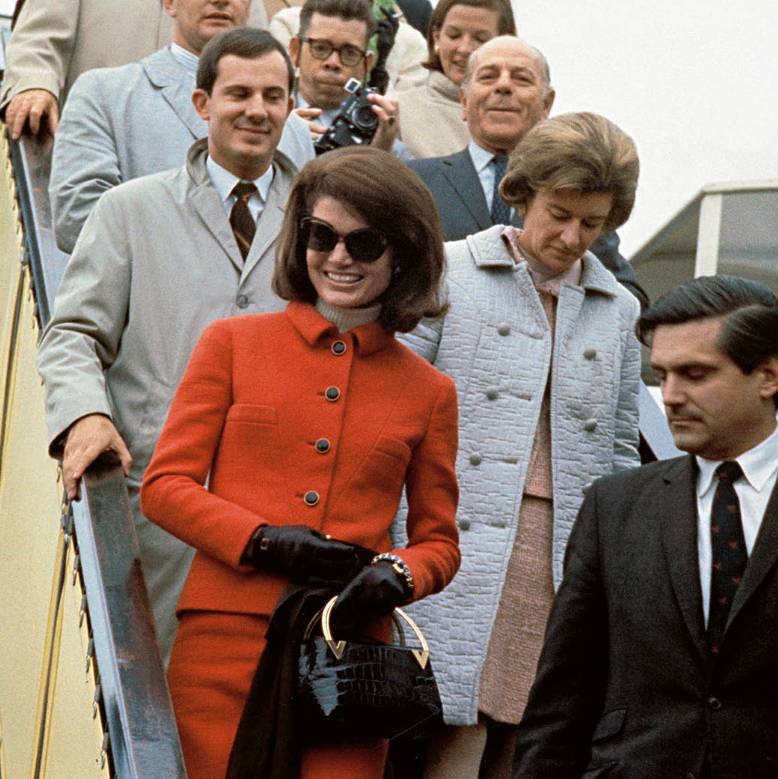
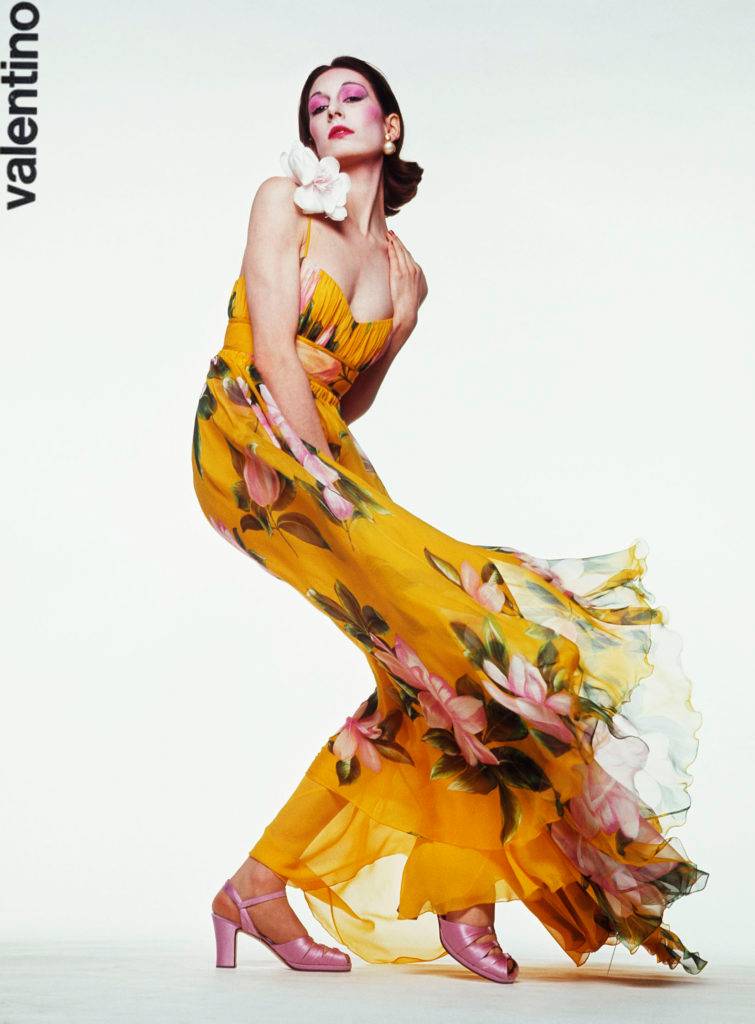
In the 1960s, Rome shone with cinema and fashion. The La Dolce Vita movement, immortalized in Fellini’s films, turned Via Veneto into the center of European glamour. Italian elegance gained international recognition with names like Valentino, who dressed stars such as Elizabeth Taylor and Jackie Kennedy.
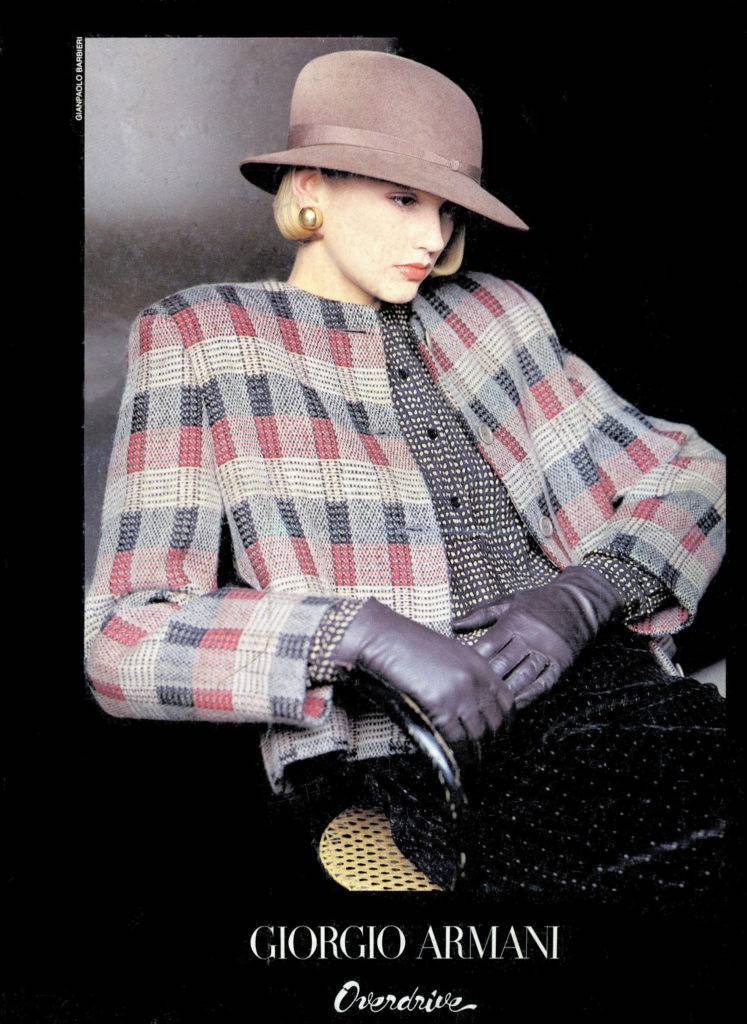
By the 1970s and 1980s, Milan had established itself as the capital of prêt-à-porter (ready-to-wear). While Paris still focused on exclusive haute couture, Italian fashion democratized luxury with brands like Giorgio Armani, Gianni Versace, and Dolce & Gabbana. Made in Italy came to represent not just quality, but a sophisticated and modern lifestyle.
Italian Style: More Than Fashion, an Attitude
What makes Italian fashion so iconic? The secret lies in the fusion of tradition and modernity, the appreciation for handmade craftsmanship, and a refined eye for detail. Unlike French minimalism or British boldness, Italian style exudes effortless elegance.
The Pillars of Italian Style
- Impeccable Tailoring – The Neapolitan suit, with its lightweight construction and no rigid shoulder pads, has become a global reference. Brands like Brioni and Kiton have redefined the concept of male sophistication.
- Leather and Craftsmanship – Tuscany is home to the world’s finest leather goods, with brands like Gucci and Ferragamo elevating leather craftsmanship to another level.
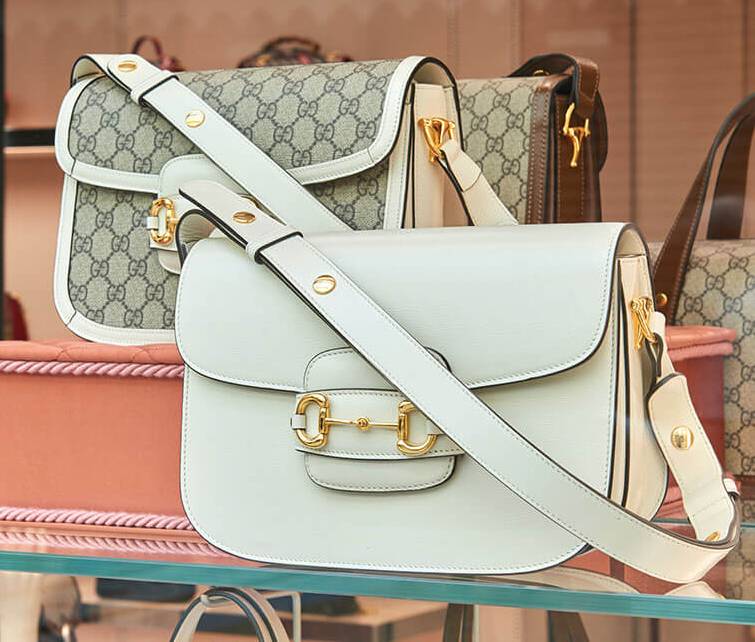
- Design and Creativity – Italian luxury is never just about tradition; there’s always a touch of innovation. Boldness and perfectionism come together in houses like Prada, Fendi, and Bottega Veneta.
- Refined Casual – Italians master the art of sprezzatura, the famous “calculated nonchalance.” A deconstructed blazer, a pocket square, a well-chosen leather shoe – everything seems spontaneous but is meticulously thought out.
- A Passion for Beauty – Since the Renaissance, Italians have cultivated a love for beauty, and this is reflected in fashion. Whether in the choice of colors, prints, or the cut of garments, everything is designed to delight the senses.
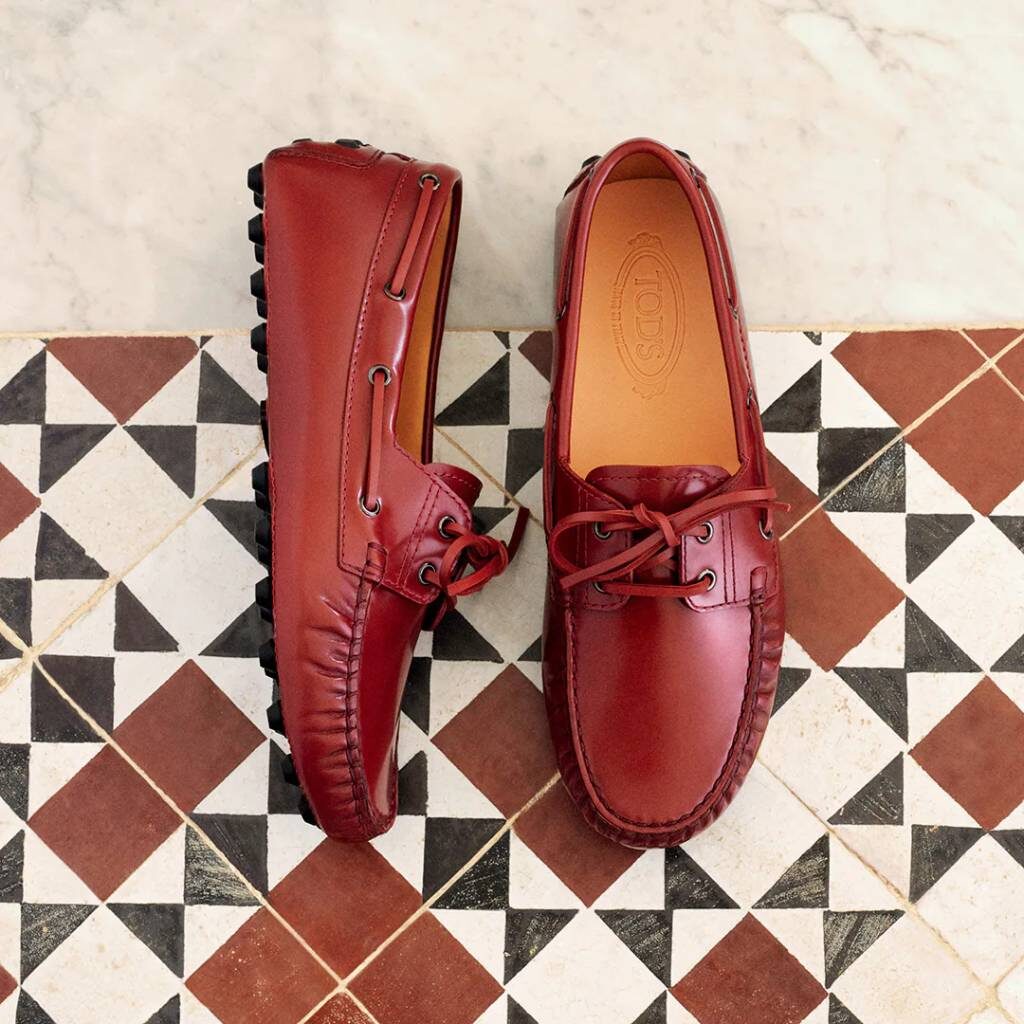
Tod’s
The Future of Made in Italy: Tradition Above Passing Trends
Italian tradition remains stronger than ever, but it faces challenges in the 21st century. The globalized market has brought fast fashion and Asian competition, but Italy’s response has been to reaffirm its values: quality, craftsmanship, and sustainability.
Major fashion houses are investing in eco-friendly fabrics and sustainable processes. Gucci, for example, has committed to becoming carbon neutral, while brands like Stella Jean and Marco de Vincenzo are rediscovering Italian craftsmanship with a contemporary twist.
However, regardless of market changes, the essence of Italian fashion will never be swayed by fleeting fads or questionable trends. Made in Italy does not bow to ephemeral extravagance, because Italian elegance and quality tradition are timeless. Even if some high-fashion collections propose ideas that stray from this ideal, sophistication and refinement will always prevail.
The Eternal Legacy of Italian Fashion
Italian fashion is not just about clothing; it’s a philosophy of life. Made in Italy represents the pursuit of excellence, the balance between tradition and innovation, and beauty in every detail.
Whether in the cut of an impeccable suit, the design of an iconic bag, or the natural way Italians mix and match pieces, Italian style is an art that transcends trends. It’s a legacy that continues to inspire and define what is most sophisticated in the world of fashion.

 ✍️ Idealizadora e autora do Verament...