

Natural Fermentation, Criminalization of Wheat, and the Italian Tradition of Flours 🍞
In recent years, bread – one of humanity’s oldest foods – has been the target of much criticism. With the growing wave of restrictive diets and the pursuit of healthier eating, wheat and its derivatives have come to be seen as villains in nutrition. But is the problem really in wheat or in the way it is cultivated and processed today? Let’s explore this question by diving into the Italian tradition of flours and the art of natural fermentation.
The “Common” Bread and Hidden Additives 🏭
The bread we find daily in bakeries and supermarkets, both fresh without labels and packaged industrial products, contains much more than just flour, water, yeast, and salt. The industry uses a series of additives to improve texture, shelf life, and appearance. Among the ingredients that may be present in commercial bread, we find:
- Flour improvers (synthetic glutens, strengtheners)
- Chemical preservatives such as E282 (calcium propionate) and E220 (potassium sorbate)
- Artificial acids like E300 (ascorbic acid) and E260 (acetic acid)
- Enzymes such as xylanase, hemicellulase, and protease
- Sugar in large quantities
With this list of components, it is clear that the problem with modern bread is not the yeast itself, but the excess of chemicals and industrial processing.
The Harm Caused by Additives ⚠️
Although additives are used to extend shelf life and improve product appearance, they can have harmful effects on health. Excessive consumption of food additives has been associated with a range of health problems, such as:
- Disruption of the gut microbiome: Certain preservatives and artificial acids can alter the intestinal flora, compromising digestion and nutrient absorption.
- Chronic inflammation: Many additives, such as preservatives and excess sugar, have been linked to inflammatory processes in the body, which can contribute to diseases like diabetes, heart disease, and obesity.
- Allergic reactions and food sensitivities: The use of substances like calcium propionate can trigger allergic reactions in sensitive individuals, causing digestive discomfort and other symptoms.
- Increased insulin resistance: The presence of large amounts of sugar and preservatives can interfere with glucose metabolism, contributing to the development of insulin resistance and, eventually, type 2 diabetes.
Natural Fermentation vs. Common Bread Yeast 🥖
Natural fermentation, known as levain (French), sourdough (English), lievito madre (Italian), or masa madre (Spanish), is an ancestral process that uses only water and flour to create a colony of beneficial microorganisms. Unlike common baker’s yeast (Saccharomyces Cerevisiae), which primarily produces carbon dioxide and alcohol, natural fermentation contains a diversity of bacteria and yeasts that generate lactic and acetic acids, providing benefits for both flavor and digestibility.
Advantages of Natural Fermentation:
- Better digestibility: The long fermentation time partially breaks down gluten and starches, reducing digestive discomfort and bloating.
- Improved nutrient absorption: During fermentation, microorganisms degrade phytates – substances that hinder the absorption of minerals like calcium, iron, and magnesium.
- Balanced gut flora: The presence of lactic acid bacteria and probiotics can contribute to a healthier gut microbiome.
- Longer shelf life: Thanks to the acidity generated, naturally fermented bread lasts longer without the need for artificial preservatives.
The Italian Tradition of Flours and Artisanal Breads
Italy has a long tradition of producing artisanal breads and quality flours. Unlike industrialized production, small mills and local producers still use traditional stone-grinding methods, preserving the original nutrients and flavors of the grains.
Most Valued Italian Flours:
- Type 00 Flour: The most refined, used for pasta and light bread.
- Type 0, 1, and 2 Flours: Less processed, retaining more fiber and nutrients.
- Whole Wheat Flour: Preserves the bran and germ of the wheat, being richer in fiber and minerals.
- Durum Wheat Flour: Used for rustic breads and pasta due to its high protein content.
Italian artisanal breads, such as ciabatta and pane toscano, are examples of how the use of good flours and natural fermentation results in a more nutritious and flavorful food.
Modern Wheat vs. Ancient Wheat 🌾
Much of the criticism of modern wheat stems from the fact that it has undergone intense genetic modifications to increase productivity. These changes have resulted in wheat with higher gluten content and less nutritional diversity. On the other hand, ancient varieties like einkorn, spelt, and durum wheat maintain a more balanced nutritional profile and are easier to digest.

Ancient Wheat Varieties in Italy and Cultivation Regions:
- Sicily: Renowned for cultivating traditional wheat varieties like Timilia (also known as Tumminía) and Russello.
- Puglia: Known as “the land of wheat,” it stands out for the cultivation of high-quality durum wheat.
Some Italian Producers of Quality Flours 🏭
Type “00” Flour for Baking:
- Mulino Caputo (Naples): “Doppio Zero” flour ideal for light and airy doughs.
- Molino Bruno S.p.A.: Type “00” flour obtained from selected soft wheat.
- Molino Rachello (Veneto): Specific flours for professional baking.
Durum Wheat Semolina for Pasta:
- Molitoria Umbra (Umbria): Conventional and organic semolina.
- Sicilpasta (Sicily): Semolina from durum wheat cultivated in Sicily.
- Industria Molitoria Mininni s.r.l. (Puglia): Remilled semolina and high-quality pasta semolina.
How to Identify Good Bread 🕵️♂️
It is not always easy to distinguish artisanal bread from industrialized bread. Here are some tips to help:
- Ingredient list: Good bread should contain only flour, water, salt, and yeast. Avoid products with additives and preservatives.
- Texture and crust: Artisanal breads have a thick crust and irregular crumb, while industrialized ones tend to be more uniform.
- Flavor and aroma: Naturally fermented breads have a slightly sour taste and a strong aroma.
Simple Homemade Bread Recipe with Natural Fermentation 🥖👩🍳
Ingredients:
- 500g of type 0 or whole wheat flour
- 350ml of warm water
- 10g of salt
- 150g of natural starter (lievito madre)
Instructions:
- Divide the flour into two bowls.
- Mix the flour, starter, and water in one bowl. It should result in a liquid cream.
- Add the salt to the second bowl with the remaining flour.
- Let the dough ferment until it doubles in volume and becomes full of air bubbles.
- Combine the dough with the second bowl of flour and mix with your hands until you get a homogeneous dough.
- Let it rest for 3 hours, folding it occasionally.
- Preheat the oven to 250°C, placing an empty tray at the bottom.
- Shape the bread into your preferred form and place it on a tray with a little flour.
- Make cuts with a sharp blade.
- Bake and, before closing the oven, pour a glass of water into the hot tray at the bottom. Close the oven quickly and bake until golden (about 20 minutes).
Conclusion: Reclaiming the Essence of Bread 🥖✨
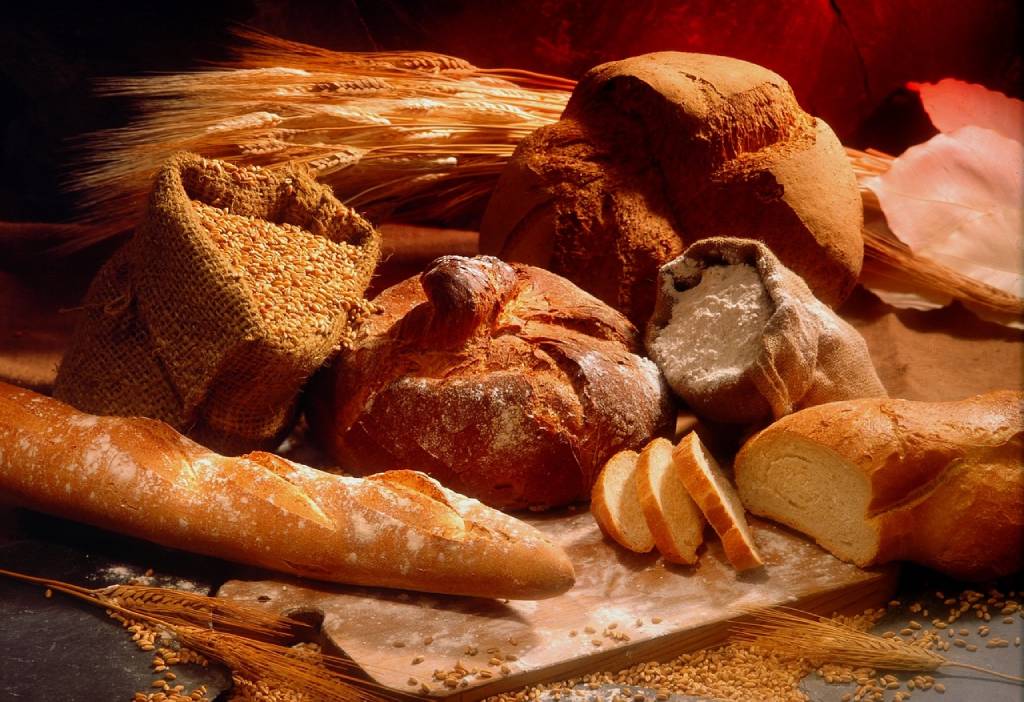
The criminalization of bread and wheat often ignores the complexity of the issue. The problem is not wheat itself, but how it is cultivated, processed, and fermented. Choosing less refined flours, natural fermentation, and artisanal producers is the best way to reclaim the true essence of bread – a food that has accompanied humanity for millennia and, when made correctly, can be extremely nutritious and delicious.
Tip for Readers:
Why not try making your own bread at home, using quality flours and natural fermentation? Besides being a rewarding experience, you’ll be contributing to a healthier and more sustainable diet. 🍞❤️
And you, have you tried naturally fermented bread or do you have a favorite recipe? Share it in the comments! 👇
Fun Facts Box 💡
- Did you know the oldest bread in the world was found in Jordan and is over 14,000 years old?
- In Italy, there are over 250 regional varieties of bread, each with its own unique history and technique.
Links and References for Further Reading 🔗

 ✍️ Idealizadora e autora do Verament...