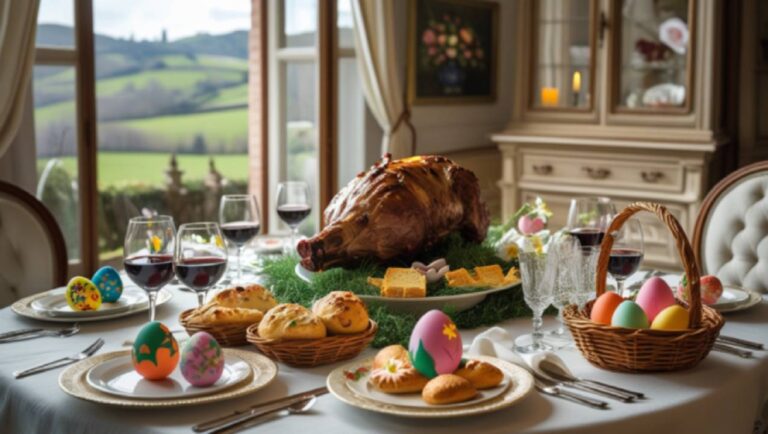


A Sunday that pulsates with the Italian soul
Easter, or Pasqua, is one of the most profound and emblematic celebrations on the Italian calendar. More than just a religious holiday, it is a moment in which spirituality, family, flavors, and traditions intertwine in a choreography that has been repeated for centuries — and still moves people as if it were the first time. Whether in the quiet alleys of a medieval village in Umbria or the noisy streets of southern Italy, Easter invites Italians into an experience that goes beyond faith: it is a reaffirmation of cultural identity, family bonds, and love for their roots.
In this article, we embark on a journey through Easter Italy: we will uncover the symbolism that shapes the celebrations, the regional peculiarities that transform each corner of the country into a unique stage of devotion and festivity, the communal rituals that withstand the test of time, and of course, the flavors — from chocolate eggs to agnello al forno, from colomba pasquale to pies stuffed with history. Buona lettura!
The soul of Italian Easter: living and staged religiosity
In Italy, a country of deeply Catholic tradition, Easter is the apex of the liturgical calendar. Holy Week (Settimana Santa) is marked by daily celebrations that culminate on Easter Sunday, but its high point comes with the Good Friday (Venerdì Santo) processions — many of which are true reenactments of the Passion of Christ, with community actors, period costumes, and sets arranged in the streets.
In Rome, the epicenter of Catholic faith, the rites begin on Palm Sunday, when the Pope celebrates mass in St. Peter’s Square, surrounded by thousands of faithful from all over the world. But it is on Good Friday that the city plunges into its most symbolic moment: the Via Crucis at the Colosseum. This silent nighttime procession, led by the Holy Father, reenacts the 14 stations of Christ’s suffering, while a flaming cross cuts through the darkness, illuminating both monuments and hearts.
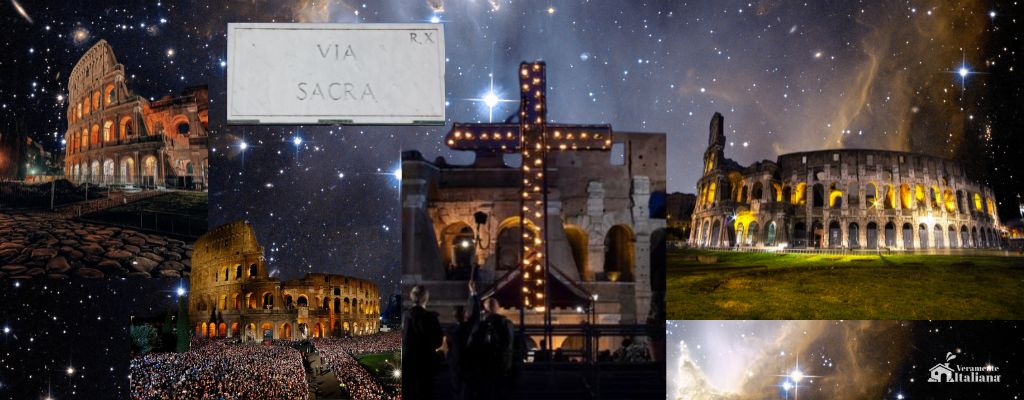
On Easter Sunday, the “Urbi et Orbi” blessing is delivered by the Pope from the balcony of St. Peter’s Basilica, being one of the most awaited moments of the holiday. This blessing, whose name means “to the city and to the world,” dates back to the Middle Ages and symbolizes hope and the renewal of Christian faith.
(Urbi et Orbi Blessing, Pope John Paul II, April 25, 1993)
In Sicily, for example, cities like Enna and Trapani organize some of the most intense and moving processions in Europe. In Enna, about 2,000 confraternity members parade silently through medieval streets, dressed in traditional tunics and hoods. In Trapani, the famous Processione dei Misteri lasts 24 hours and meticulously recreates scenes from the Via Crucis.
In the South, the fervor is almost theatrical: there are tears, funeral chants, and a level of community involvement that impresses even the least religious visitors. In Sorrento, the nighttime procession with lit torches and sacred music creates a mystical atmosphere, where time seems to stand still.
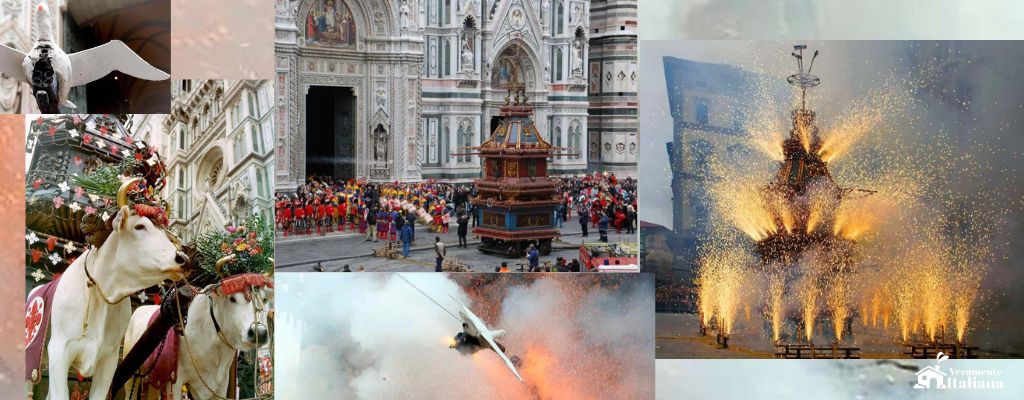
In Central and Northern Italy, the celebrations are more restrained but equally symbolic. In Florence, for instance, the Scoppio del Carro (Explosion of the Cart) spectacle takes place — an ancient medieval tradition blending religion and superstition: a richly decorated cart is ignited with fireworks after Easter mass, and the quality of the explosion is interpreted as a prediction for the year’s harvest.
Symbols that speak: eggs, lambs, and colombe
Italian Easter symbolism is rich and layered. The egg, a universal symbol of rebirth, takes center stage in decorations, children’s games, and of course, in the windows of pasticcerie, which display true works of art in chocolate.
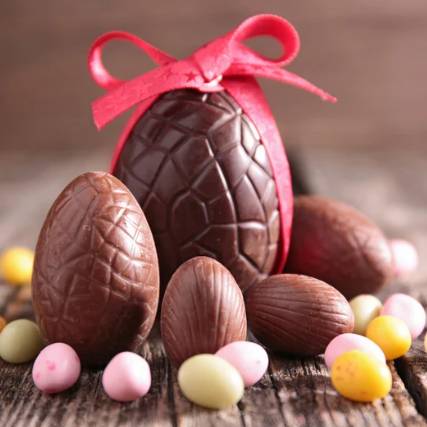
Chocolate eggs began to gain popularity in Italy in the late 19th century, inspired by French and Swiss traditions. But the Italian version soon took on its own identity, with large, well-decorated eggs filled with surprises or toys — especially for children.
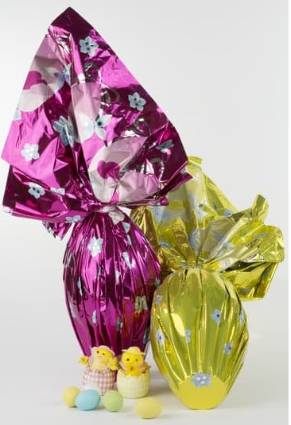
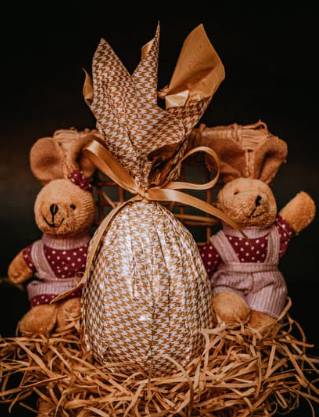
In large families, it’s common for each child to receive more than one egg, with personalized tags and colorful ribbons. Another protagonist on Easter tables is the Lamb (agnello), a sacrificial symbol that alludes to Christ and to the Jewish roots of Easter. Roasted with rosemary or grilled, it reigns especially in Rome (Abbacchio), in the South, and in inland regions. The tradition of eating lamb dates back to antiquity and is proudly upheld, even with the emergence of modern variations of the dish.
Then there’s the Colomba Pasquale — a dove-shaped cake — the Easter equivalent of Christmas panettone. Made with a soft dough similar to brioche, filled with candied fruit and topped with almonds and powdered sugar, the colomba symbolizes peace and the Holy Spirit. Several legends surround its origin.
One of the most well-known narratives suggests that during the Lombard invasion of the city of Pavia in 572 AD, King Alboin, furious with local resistance, threatened to destroy the city. To appease him, a baker gifted the king a sweet bread in the shape of a dove, symbolizing peace. Enchanted by the gesture and the taste of the bread, Alboin spared Pavia from destruction.
Another version of the story involves Saint Columbanus, an Irish monk who, upon visiting Pavia in 610 AD, was received by Queen Theodolinda with a lavish banquet. Since it was Lent, the monk refused the delicacies, but in order not to offend the royalty, he miraculously transformed the food into dove-shaped loaves, appropriate for the fasting period.
While these legends are popular, historical records indicate that the Easter colomba as we know it today was created in the 1930s by a Milanese pastry chef named Angelo Motta. He sought to make use of the same equipment and ingredients used for panettone to create a sweet specifically for Easter.
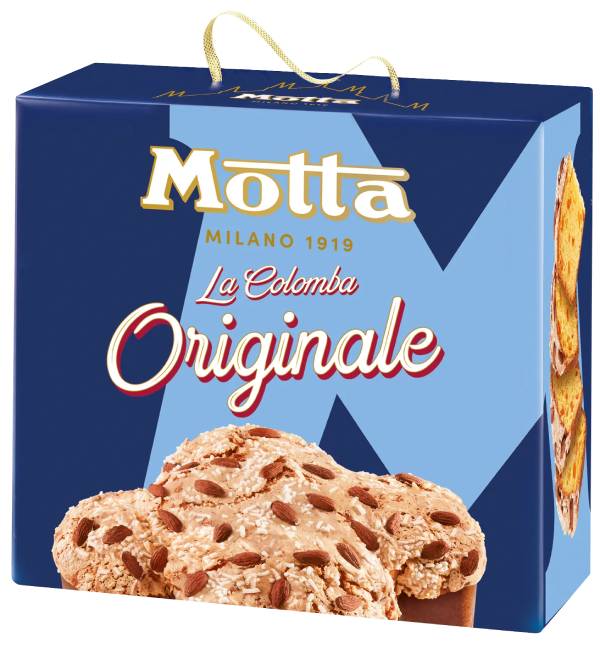
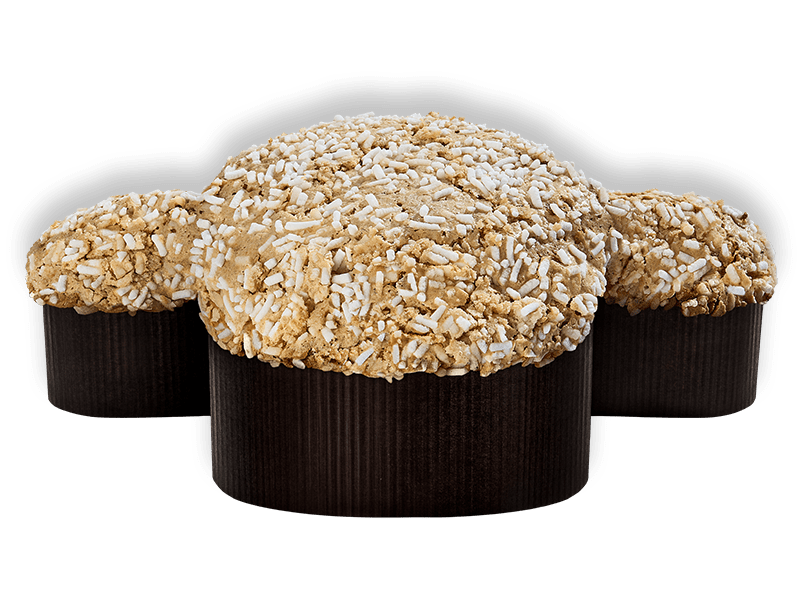
As for the symbolism, the dove is traditionally associated with peace and, in the Christian context, with the Holy Spirit. Thus, the Easter colomba carries meanings of peace and spiritual renewal, aligning with the core themes of the Easter celebration.
Family customs and celebration tables: tradition you can taste
On Easter Sunday, the day begins with a typical greeting: Buona Pasqua! and, for many Italians, a solemn mass. But soon after, the aromas in the kitchen announce that it’s time for celebration at another altar: the table.
The Easter meal is an ode to abundance and flavor. In Rome, it’s common to start with stuffed eggs or savory pies like pizza di Pasqua, made with cheese and pepper. In Tuscany, the torta pasqualina — a puff pastry pie with spinach, ricotta, and whole eggs cooked in the filling — adorns tables and delights with its beauty when sliced.
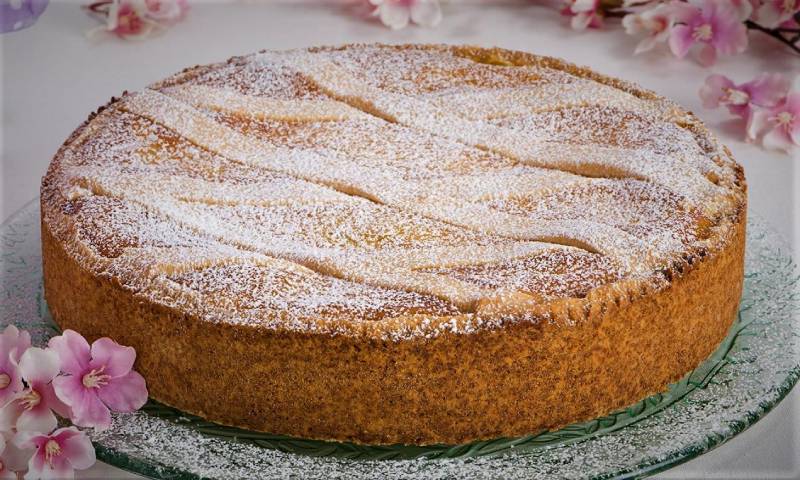
Alongside the lamb, there are traditional dishes like lasagne, spring risottos with fresh peas, artichokes, fava beans, and asparagus. Wines are carefully chosen, and desserts — besides the colomba and the eggs — include regional sweets like Cassata Siciliana or Pastiera Napoletana, one of the most iconic Easter desserts, originating from Naples. Made with ricotta, cooked wheat, eggs, and orange blossom essence, its origins date back to antiquity and are linked to fertility rituals.
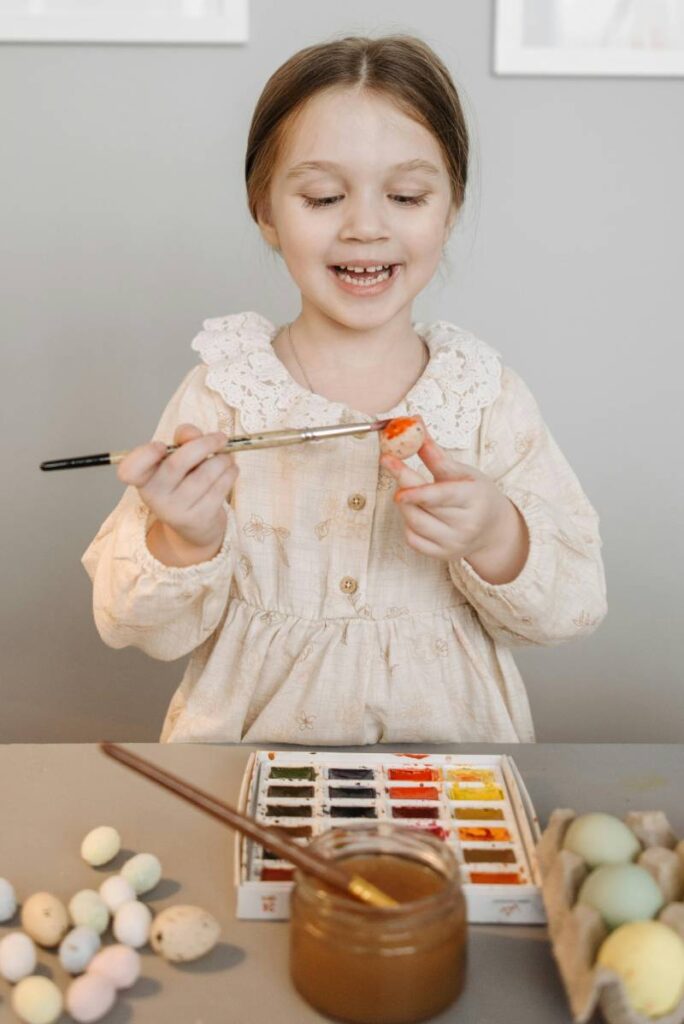
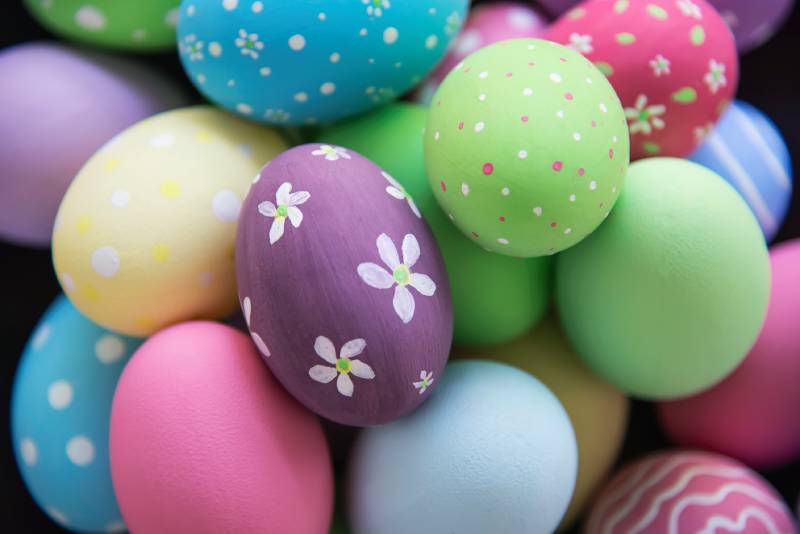
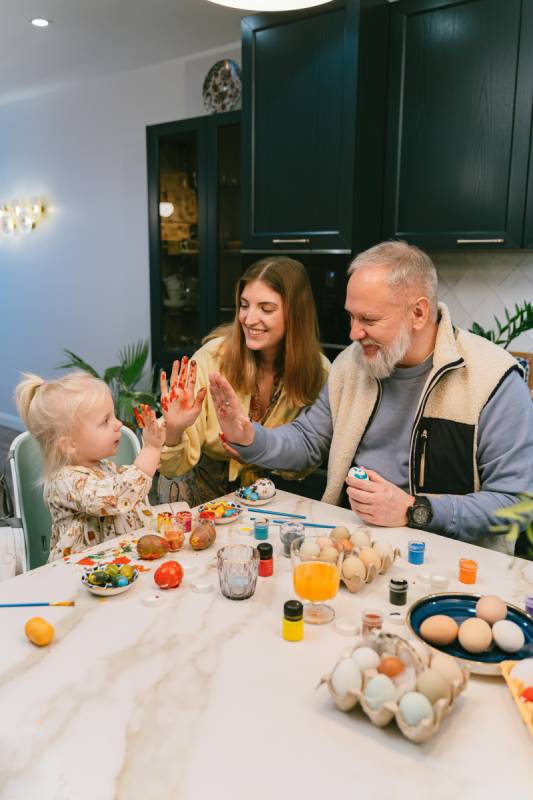
In Italian families, there’s also the custom of painting boiled eggs with children, using natural dyes or colorful paints. It’s a moment of sharing, play, and emotional memory, passed down through generations. Children also take boiled eggs to school the week before, to paint and bring home as a gift for their parents.
Easter Monday: the famous “Pasquetta”
The Monday following Easter Sunday, known as Lunedì dell’Angelo or simply Pasquetta, is also a holiday in Italy. It’s a day dedicated to leisure and friendship, traditionally celebrated with picnics, outdoor outings, and informal barbecues using leftovers from Easter lunch.
Families and groups of friends gather in parks, fields, or beaches to enjoy the beginning of spring. It’s common to bring frittata di maccheroni (macaroni omelet), cold cuts, cheeses, wine, and leftover desserts. The spirit of Pasquetta is relaxed and joyful — a true collective pause to celebrate the rebirth not only of faith, but also of nature and togetherness.
The name “Monday of the Angel” refers to the biblical episode in which an angel announces to the women that Jesus has risen. Since the medieval period, the date has been celebrated as an extension of the Easter festivities.
Charming regionalities: a plural Easter in a country of a thousand faces
Each Italian region has its own way of celebrating Easter. In Sardinia, for example, S’incontru is held — a moving procession that reenacts the reunion between the risen Jesus and the Virgin Mary. In Abruzzo, the traditional Madonna che scappa in piazza in Sulmona is a spectacular event where thousands of people witness a statue of the Virgin “running” to meet her son.
In Liguria, Cima alla Genovese (veal breast stuffed with eggs and vegetables) is a typical Easter dish. In Lombardy, the colomba takes on artisanal variations, like versions with pistachio cream or dark chocolate. In Sicily, especially in Caltagirone, small breads shaped like animals or baskets, called Panareddi con le Uova, are lovingly prepared to be given as gifts to godchildren.
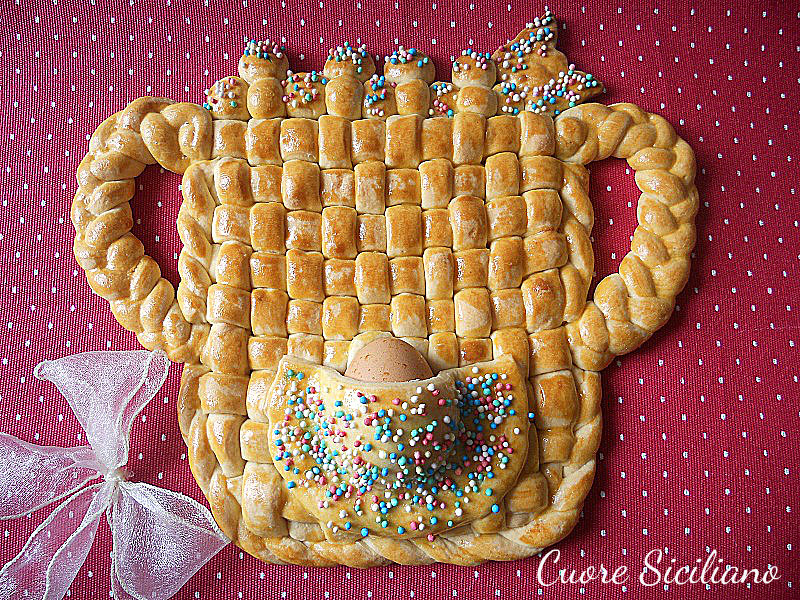
This wealth of expressions makes Italian Easter a multifaceted experience, where the common denominator is affection and the transmission of a living, collective memory.
Contemporary Easter: between consumption and preservation of essence
Like all ancient traditions, Italian Easter also faces challenges in the modern era. The commercialization of symbols — such as industrial chocolate eggs and gourmet colombe — coexists with a growing desire to recover the authenticity of its origins. Many families have resumed making sweets at home, attending church services, and teaching children the deeper meaning of the celebration.
At the same time, Easter has become an opportunity for cultural and religious tourism. Cities known for their famous processions welcome visitors from all over the world, and regional cuisine is promoted as living heritage.
Italian media, in turn, alternates advertising campaigns with reflections on the meaning of Easter in a changing world — where rebirth can also be a call to solidarity, peace, and empathy.
Conclusion: Easter as a mirror of the Italian soul
Experiencing Easter in Italy is, ultimately, an immersion in the soul of a people who know how to celebrate with depth, beauty, and flavor. Whether among candles and hymns in a Baroque church or around a noisy table full of aromas, Italian Easter touches the heart with its balance between solemnity and festivity, between faith and humanity.
In this time of renewal, Italy offers more than just a celebration: it offers a reminder that tradition is something alive — that is cooked, sung, shared, and transformed, without ever losing its essence.
#VeramenteItaliana #EasterInItaly #ItalianTraditions #ItalianCulture #EasterWithFlavor #Pasqua #ItalianGastronomy

 ✍️ Idealizadora e autora do Verament...