

The Culture of Coffee: How Italy, a Country That Doesn’t Produce Coffee, Created the Best Coffee Tradition in the World
If there’s a country that has turned coffee into an art, it’s Italy. And the most curious part? Italy doesn’t grow a single coffee bean. Unlike countries like Brazil, Ethiopia, or Colombia, which produce coffee on a large scale, Italy imports all the beans it consumes. Yet, it was on Italian soil that coffee became a symbol of culture, tradition, and lifestyle.
But how did this happen? How did a country without coffee plantations manage to create the best blends, the most sophisticated rituals, and the espresso machines that revolutionized coffee consumption worldwide? Let’s go back in time and explore this fascinating journey.
🌍 How Coffee Arrived in Italy
The history of coffee in Italy begins in the 16th century, thanks to Venetian merchants. At the time, coffee was already widely consumed in the Arab world, especially in cities like Constantinople (modern-day Istanbul). Venetian merchants, operating from one of Europe’s main ports, began importing coffee and selling it to the nobility and intellectuals.
Soon, the novelty spread.
The Arrival of Coffee in Venice
Coffee arrived in Venice in the early 17th century, brought by merchants like Pietro della Valle, who introduced coffee beans in 1615. However, it was only in 1683 that the first coffee shop was established in Piazza San Marco, marking the beginning of coffee’s popularization in the city. Before that, coffee was consumed in private settings and described by figures like the ambassador Gianfrancesco Morosini in 1585 and the botanist Prospero Alpini in 1592.
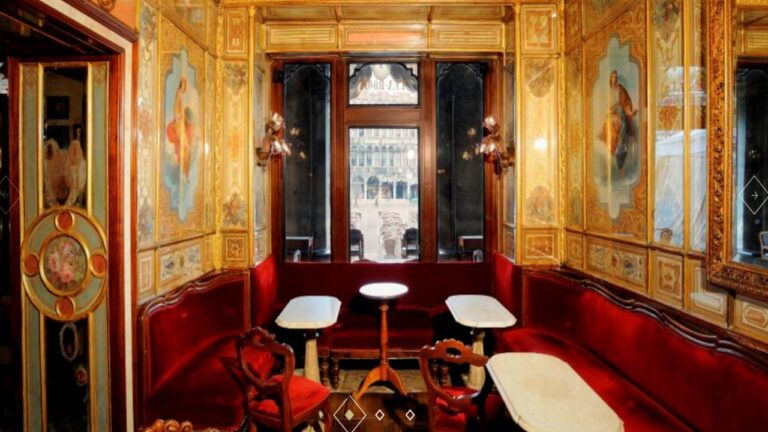
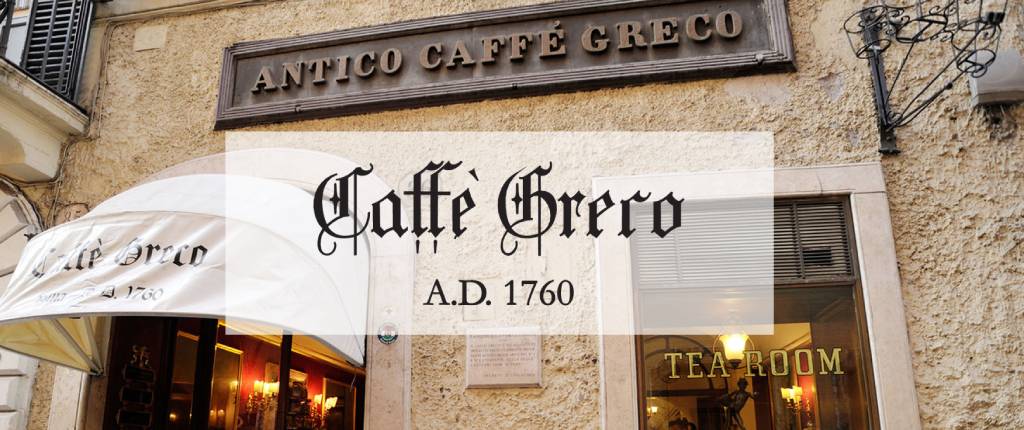
In 1645, Venice opened Italy’s first coffeehouse, which quickly became a hub for philosophical and political debates. The trend caught on, and by the 18th century, cities like Rome, Turin, and Naples already had their iconic cafés, such as the Caffè Greco (1760) in Rome and the Caffè Florian (1720) in Venice – which, by the way, is still in operation today.
But it was in the 20th century that Italy stopped being just a coffee consumer and began dictating the rules of its preparation.
☕ The Revolution of Coffee Machines: From Espresso to the Moka Bialetti
The great leap in Italian coffee culture came with the invention of the espresso machine and the iconic Moka Bialetti. Before them, coffee was made through infusion (like Turkish coffee) or filtration (like Brazilian drip coffee). The problem was that these methods took time and didn’t always guarantee a consistent flavor.
The Evolution of Coffee Machines: From Moriondo to Victoria Arduino
The history of coffee machines is a journey of innovations that turned espresso into an art. From the first prototype by Angelo Moriondo to the iconic machines of Victoria Arduino, each advancement helped solidify Italy as the birthplace of espresso.
Angelo Moriondo: The Pioneer of Espresso
The story begins in 1884, when Angelo Moriondo, an Italian inventor from Turin, patented the first espresso machine. Moriondo wanted to speed up coffee preparation to meet the demand of his clients at the Grand Hotel Ligure in Turin, where he was also the owner.
- How it worked: Moriondo’s machine used steam and hot water under pressure to extract coffee quickly, creating a concentrated and full-bodied drink.
- Innovation: He introduced the concept of pressure extraction, which is the foundation of modern espresso.
- Limitations: Moriondo’s machine was large and complex, designed for commercial use in hotels and cafés, but it was not mass-produced.
Luigi Bezzera: The First Practical Machine
In 1901, Luigi Bezzera, an inventor from Milan, improved Moriondo’s design and patented a more compact and efficient espresso machine. Bezzera wanted to create a machine that could prepare coffee quickly, catering to workers who had little time for breaks.
- How it worked: Bezzera’s machine also used steam to force hot water through ground coffee, but it was more practical and accessible.
- Limitations: Despite the improvements, Bezzera’s machine still had issues with temperature and pressure, which affected the consistency of the coffee.
Desiderio Pavoni: The Popularization of Espresso
In 1905, Desiderio Pavoni bought Bezzera’s patent and began mass-producing espresso machines under the brand La Pavoni. Pavoni improved the design and introduced the first commercial model, called the “Ideale”, which became a success in Italian cafés.
- Innovations: Pavoni added a safety valve and a filter system, improving the quality of the coffee.
- Impact: Pavoni’s machine popularized espresso in Italy and helped establish coffee as a social and cultural drink.
Victoria Arduino: The Machine That Revolutionized Italian Coffee
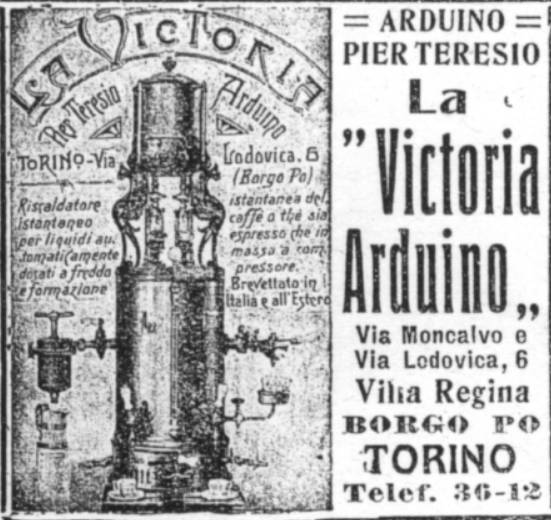
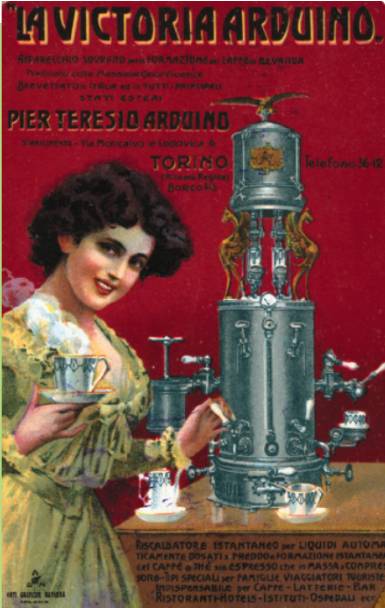
Founded in 1905 by Pier Teresio Arduino in Turin, Victoria Arduino was one of the first companies to professionally produce coffee machines, helping to establish Italy as the birthplace of espresso. While Moriondo, Bezzera, and Pavoni laid the foundations of espresso, Victoria Arduino took coffee machines to a new level.
The History of Victoria Arduino
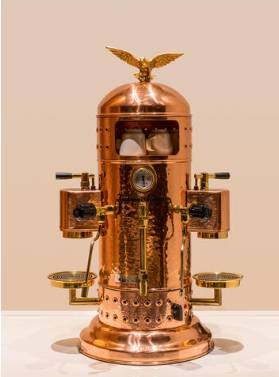
Pier Teresio Arduino was a visionary engineer who recognized the potential of coffee as a social and cultural drink. In 1910, he launched his first coffee machine, called “La Victoria”, which quickly became a success. The machine was known for its durability, elegant design, and ability to produce high-quality coffee.
- Innovations: Victoria Arduino pioneered several technologies, such as the use of copper boilers and improved pressure systems, which ensured a more consistent and flavorful extraction.
- Iconic design: Victoria Arduino machines were true works of art, with details in brass, copper, and wood, reflecting the Art Deco style of the time.
The Machine That Conquered the World
In the 1950s, Victoria Arduino launched the “E61”, a revolutionary machine that introduced the concept of pre-infusion, allowing for a more balanced and flavorful espresso extraction. The E61 became an icon of coffee machine design and engineering, influencing all modern machines that followed.
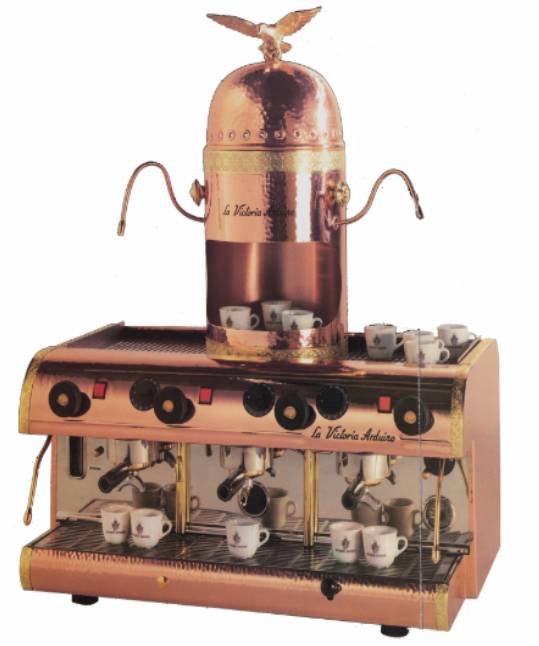
- Legacy: Victoria Arduino continued to innovate over the years, launching machines like the “Black Eagle”, which combines cutting-edge technology with sophisticated design.
- Recognition: The brand is synonymous with quality and tradition, being used in elite cafés worldwide, including World Barista Championships.
Victoria Arduino Today
Today, Victoria Arduino is part of the Simonelli Group, but it maintains its unique identity and commitment to excellence. Its machines remain a symbol of innovation and tradition, representing the best of Italian coffee culture.
Achille Gaggia: The Era of Crema
In 1947, Achille Gaggia revolutionized the world of espresso by creating the first machine that used 9 BAR pressure to extract coffee, resulting in the iconic golden crema on top of the espresso. This innovation defined the modern standard of espresso and elevated the coffee experience to a new level.
- Innovation: Gaggia replaced the steam system with a manual lever that generated enough pressure to extract the crema, a thick and aromatic layer that forms naturally during extraction.
- Impact: The crema became a symbol of espresso quality, and Gaggia’s machines conquered cafés across Europe.
A Timeline of Innovations
- 1884: Angelo Moriondo patents the first espresso machine.
- 1901: Luigi Bezzera improves Moriondo’s design and patents a more practical machine.
- 1905: Desiderio Pavoni buys Bezzera’s patent and launches the “Ideale” machine.
- 1905: Pier Teresio Arduino founds Victoria Arduino.
- 1910: Victoria Arduino launches the “La Victoria”.
- 1947: Achille Gaggia creates the machine that introduces crema to espresso.
- 1950s: Victoria Arduino launches the revolutionary E61 machine.
Each of these machines played a crucial role in the evolution of espresso, but it was the combination of innovations by Moriondo, Bezzera, Pavoni, Arduino, and Gaggia that solidified Italy as the birthplace of espresso. Today, brands like Victoria Arduino and La Marzocco continue to lead the market, keeping the tradition and excellence of Italian coffee alive.
The Moka Bialetti: Coffee at Home
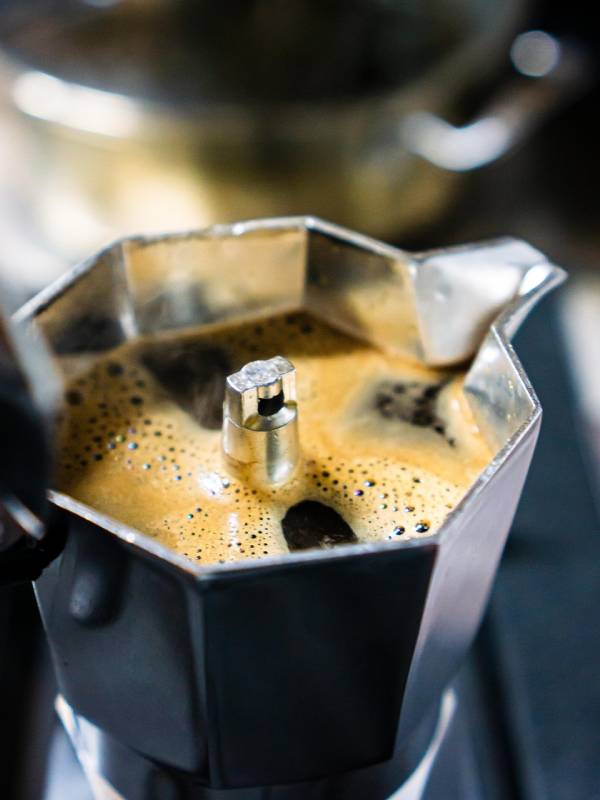
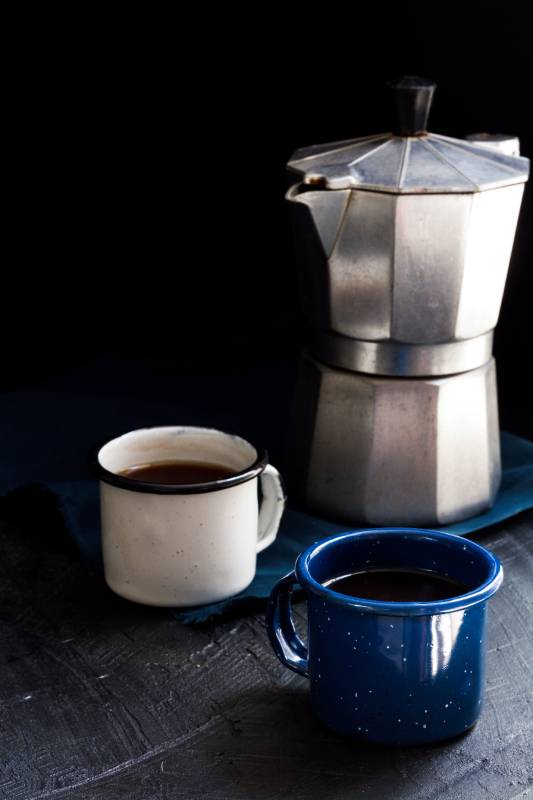
While espresso machines revolutionized coffee outside the home, the Moka Bialetti transformed domestic coffee. Created in 1933 by Alfonso Bialetti, the Moka is a stovetop coffee maker that uses steam pressure to extract coffee. Its iconic design, with the classic octagonal shape and bakelite handle, has become a symbol of Italian culture.
- How it works: The Moka consists of three parts: a base for water, a filter for ground coffee, and an upper compartment for the brewed coffee. When heated, the water rises through the ground coffee, creating a rich and aromatic drink.
- Popularity: The Moka Bialetti is so popular that it’s estimated that 90% of Italian households own one. It has also conquered the world, being used in over 100 countries.
- Pop culture: The Moka has appeared in films, TV shows, and even works of art, solidifying its status as an icon of Italian design.
🏆 Why Italian Coffee is Considered the Best in the World
If Italy doesn’t grow coffee, how does it produce some of the best blends and extract coffees with unmatched flavor?
The answer lies in the selection of beans, the blend, the roast, and the preparation tradition.
- Bean Selection
Italians don’t accept just any coffee. Major roasters like Illy, Lavazza, and Kimbo import beans from the best coffee-growing regions in the world, such as Brazil, Ethiopia, and Guatemala. The beans are meticulously selected to create balanced blends of arabica and robusta, ensuring a full-bodied coffee with unique aromatic notes. - The Perfect Blend
Unlike other countries, where coffee is often made from a single type of bean, in Italy, the tradition is to create balanced blends. Mixing different types of coffee results in richer flavor profiles without excessive acidity. - The Italian Roast
Italian roasting is known for being darker and more uniform, which ensures a deep flavor with chocolatey notes and low acidity. This is one of the secrets to the perfect espresso. The roasting is done at controlled temperatures and for longer periods, enhancing the beans’ natural flavors. - The Preparation Tradition
Italians have an almost sacred ritual for preparing coffee. From grinding the beans fresh to the precise extraction of espresso, every detail is carefully considered to ensure the best experience.
🍽️ The Real “Crime” That Horrifies Italians…
Now that we understand the history of coffee, let’s talk about the famous “rule” of not drinking cappuccino in the afternoon.
Contrary to popular belief, it’s not the time of day that matters, but the combination with food. The issue isn’t drinking cappuccino at 4 PM! Many Italians do that, and cafés serve cappuccino in the afternoon. The problem arises when someone orders a cappuccino as a drink to accompany a meal, especially with pasta, meat, or pizza!

The milk in cappuccino is considered hard to digest and incompatible with substantial meals. That’s why you’ll never see an Italian drinking cappuccino with lunch or dinner! And after meals, Italians also prefer a straight espresso, which aids digestion and cleanses the palate.
However, there’s one time of day when coffee with milk makes a comeback:
🥖 “Facciamo Cena di Latte?” – The Evening Snack
An Italian tradition that many people are unaware of is the “cena di latte”, which harks back to the childhood of many generations. Instead of a heavy dinner, many families would opt for a light evening snack, consisting of caffellatte (coffee with milk) accompanied by:
- Bread with butter and jam
- Cookies or toast
- Panettone or pandoro (especially in winter)
- A simple hot sandwich
This habit is a reminder of a time when evening meals were lighter, especially for children and the elderly.
🌍 Italian Coffee Around the World
The influence of Italian coffee culture has spread across the globe. Today, it’s hard to find a quality coffee that hasn’t been influenced by the standards set by Italians.
Brands like Illy and Lavazza are present in over 140 countries, and luxury cafés adopt Italian tradition as a reference.
In recent years, the concept of “third-wave coffee” has brought a new approach, valuing single-origin coffees and artisanal extraction methods. But even with new trends, Italian espresso remains the gold standard of coffee.
The Great Italian Coffee Brands
Lavazza: The Tradition That Conquered the World
Founded in 1895 in Turin by Luigi Lavazza, Lavazza is one of Italy’s most iconic coffee brands. The company started as a small coffee bean shop and, over the years, transformed into a global empire. Lavazza is known for its balanced blends, which combine beans from different origins to create unique flavors.
- Premium Blend: The Lavazza Qualità Rossa is one of the most popular blends, with notes of chocolate and dried fruits.
- Sustainability: Lavazza invests in sustainability projects, such as Tierra, which supports small coffee producers in Latin America.
- Global Presence: The brand is present in over 90 countries and is the market leader in Italy.
Illy: The Art of Perfect Coffee
Founded in 1933 by Francesco Illy, Illy is synonymous with quality and innovation. The company is famous for its commitment to excellence, from bean selection to the roasting process.
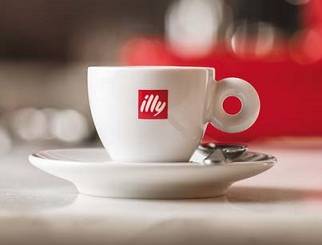
- Rigorous Selection: Illy uses only arabica beans, selected from the best in the world.
- Technology: The company pioneered the development of espresso machines and capsule systems, such as the Iperespresso.
- Coffee Culture: Illy is also known for promoting coffee culture through initiatives like the Università del Caffè, which offers courses and training on coffee.
Segafredo: The Coffee That Makes History
Founded in 1973 by Massimo Zanetti, Segafredo Zanetti is one of the largest coffee roasters in the world. The brand is known for its bold and modern style, combining Italian tradition with innovation.
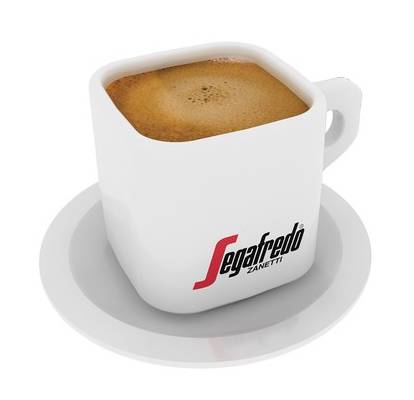
- Exclusive Blends: The Segafredo Intermezzo is one of the most famous blends, with notes of caramel and spices.
- Global Presence: Segafredo is present in over 100 countries and operates more than 300 cafés worldwide.
- Events and Sponsorships: The brand is known for sponsoring high-profile events, such as the MotoGP and the Cannes Film Festival.
🎭 Coffee in Italy is Much More Than a Drink
The history of coffee in Italy is a story of innovation, passion, and tradition. From Venice to the world, from Gaggia’s machine to the perfect espresso, Italian coffee is not just a habit – it’s a legacy.
If you visit Italy, embrace this ritual with respect and curiosity. And remember: cappuccino can be enjoyed in the afternoon, but never with a plate of pasta! 😉

 ✍️ Idealizadora e autora do Verament...