


Imagine waking up without rushing, savoring a fresh coffee while the sun lights up the window, and taking time to appreciate the small details of life. This is the essence of Slow Living, a lifestyle that Italians master like no one else. More than a trend, Slow Living is a philosophy that invites us to slow down, prioritize well-being, and find meaning in simple things. In this article, we’ll explore how Italy, with its rich culture and traditions, teaches us to live in a lighter, more conscious, and meaningful way.
What is Slow Living?
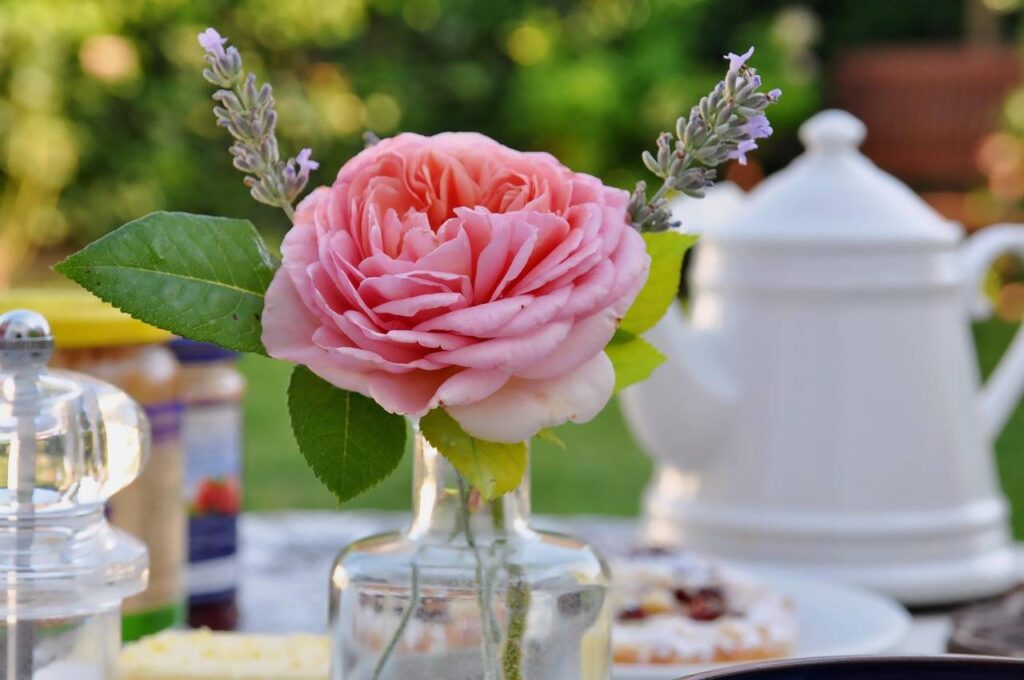
Slow Living is a movement born as a response to the fast pace of modern life. It promotes slowing down, connecting with the present, and valuing experiences over consumerism and excessive productivity. In Italy, this philosophy is deeply rooted in the local lifestyle, where the pleasure of a good meal, the importance of family, and respect for natural rhythms are fundamental pillars.
Italy is the birthplace of Slow Food, a movement created in the 1980s as a reaction to the standardization of flavors and fast-food culture. Slow Food advocates for the appreciation of local ingredients, culinary traditions, and the time dedicated to preparing and enjoying meals. This concept expanded to other areas of life, giving rise to Slow Living.
The Pillars of Italian Slow Living
The Art of Eating with Pleasure
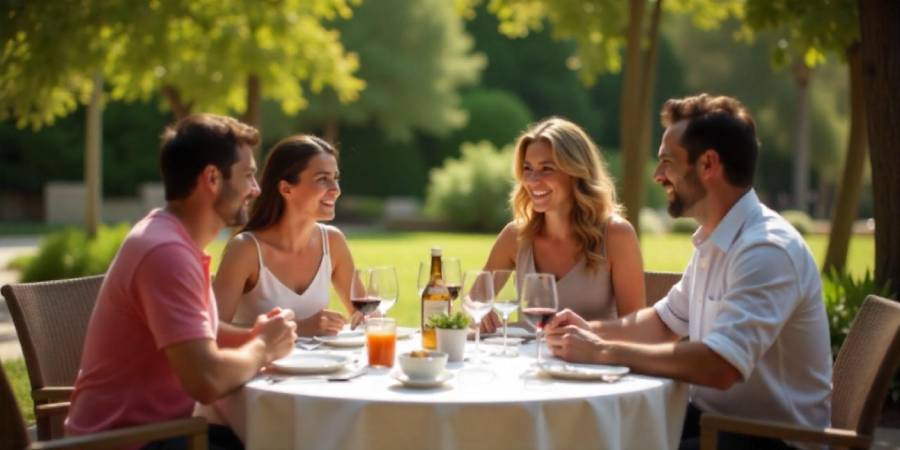
In Italy, meals are sacred. It’s not just about feeding the body but also nourishing the soul. Italians take time to choose fresh ingredients, prepare dishes with care, and share moments at the table with family and friends. The secret lies in savoring every bite, without rushing, and turning the act of eating into a complete sensory experience.
Connection with Nature
Italy is a country of breathtaking landscapes, from the vineyards of Tuscany to the mountains of the Alps. Italians have a deep respect for nature and know how to integrate it into their daily lives. Walking along trails, cultivating a home garden, or simply admiring the sunset are common practices that help reconnect with the natural world.
The Value of Traditions
Italian traditions are passed down from generation to generation, creating a sense of continuity and belonging. Whether it’s preparing an ancient recipe, celebrating local festivals, or preserving artisanal crafts, Italians show that honoring the past is essential for building a meaningful future.
The Importance of Creative Leisure
In Italy, leisure is not seen as a waste of time but as an opportunity to recharge energy and stimulate creativity. Taking a nap after lunch (the famous siesta), strolling aimlessly through the streets, or simply sitting in a square to observe the movement are practices that help restore inner balance.

How to Adopt Slow Living in Daily Life
Slow Down Your Meals
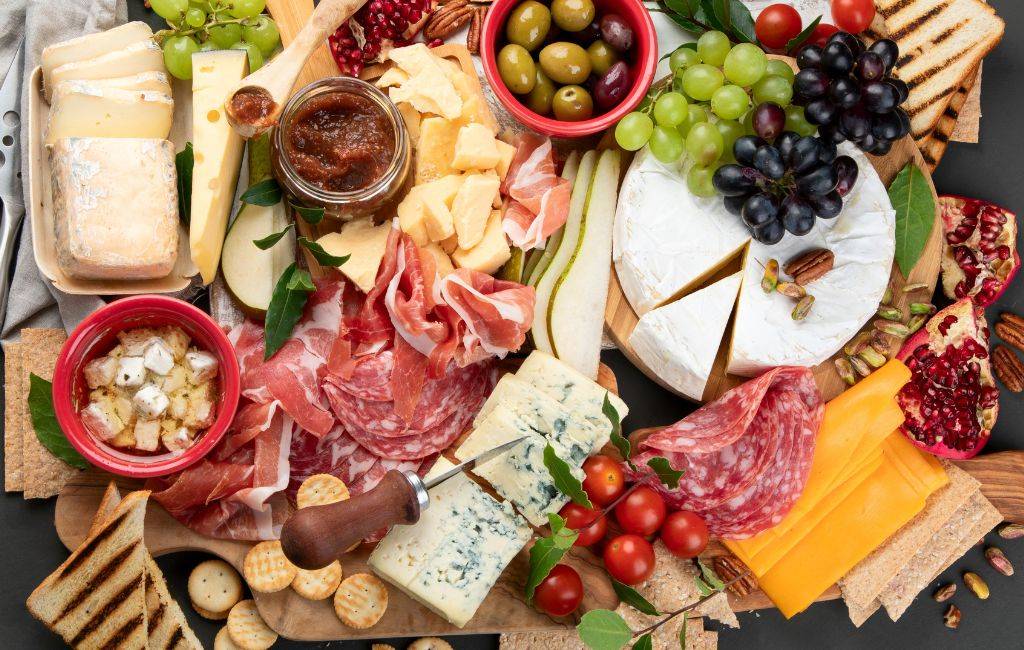
Start by dedicating more time to your meals. Prepare simple dishes with quality ingredients and eat without distractions (like phones or TV). Savor every flavor and texture, and turn mealtime into a ritual of pleasure.
Prioritize Connection with Nature
Set aside time to be outdoors, whether in a park, at the beach, or in the countryside. Walk, observe the details of the landscape, and breathe deeply. Nature has an incredible power to calm the mind and renew energy.

Value the Little Things
Slow Living teaches us to find beauty and meaning in simple things, like the aroma of freshly brewed coffee, the sound of birds in the morning, or the embrace of a loved one. Practice gratitude and learn to celebrate these small moments.
Disconnect to Reconnect
Reserve moments of the day to unplug from screens and social media. Use this time to read a book, meditate, or simply sit in silence. Digital disconnection is essential to reconnect with yourself and the world around you.
Incorporate Natural Rhythms
Try to follow the natural cycles of the day. Wake up with the sunrise, take breaks during work, and reserve the evening for relaxation and rest. Respecting the rhythms of the body and nature is key to a more balanced life.

Slow Living in Practice: Italian Examples
Rural Villas in Tuscany
In Tuscany, many families live in rural villas where they grow their own food, produce artisanal wine and olive oil, and maintain a simple, land-connected lifestyle. These properties are a perfect example of how Slow Living can be applied in daily life.
Small Towns and Their Local Markets
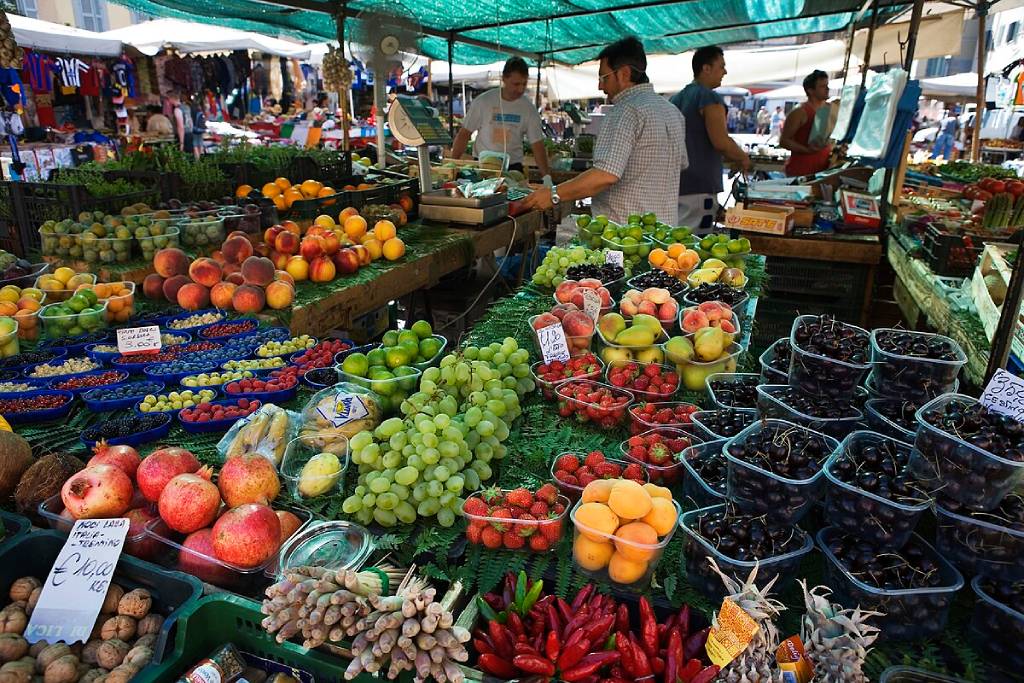
In towns like Orvieto in Umbria or Lecce in Puglia, local markets are the heart of community life. Here, residents buy fresh food, chat with producers, and celebrate the richness of regional culture.
Coffee Culture
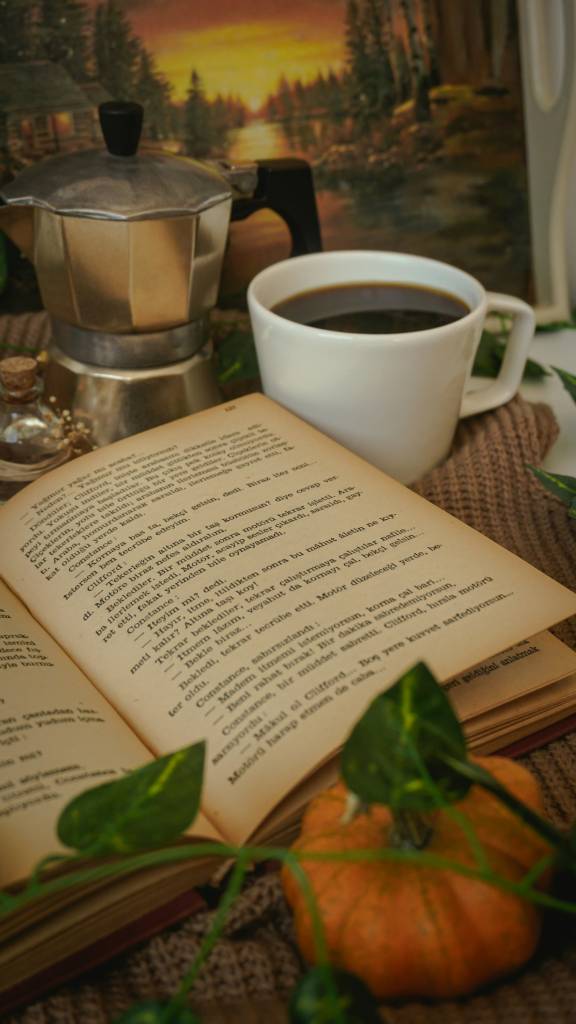
In Italy, coffee is not just a drink but a ritual. Italians don’t take espresso to go; instead, they stop at a bar, drink coffee standing up, and use the moment to chat with the barista or friends.
The Beauty of Living Slowly
Slow Living is not about doing less but about doing with more intention and presence. It’s about finding meaning in the little things, valuing human relationships, and living in harmony with the world around us. Italy, with its rich culture and traditions, shows us that life can be lighter, more flavorful, and more meaningful when we slow down and appreciate the present moment.
Are you ready to embrace Slow Living? Start today: prepare a meal with care, take a walk outdoors, or simply sit and admire the sunset. Share in the comments how you practice Slow Living in your daily life!
Links
Slow Food Movement
Traditional Italian Recipes
Destinations to Practice Slow Living in Italy
Italian Products for a Slow Lifestyle
Books on Slow Living
Slow Living Experiences in Italy

 ✍️ Idealizadora e autora do Verament...